
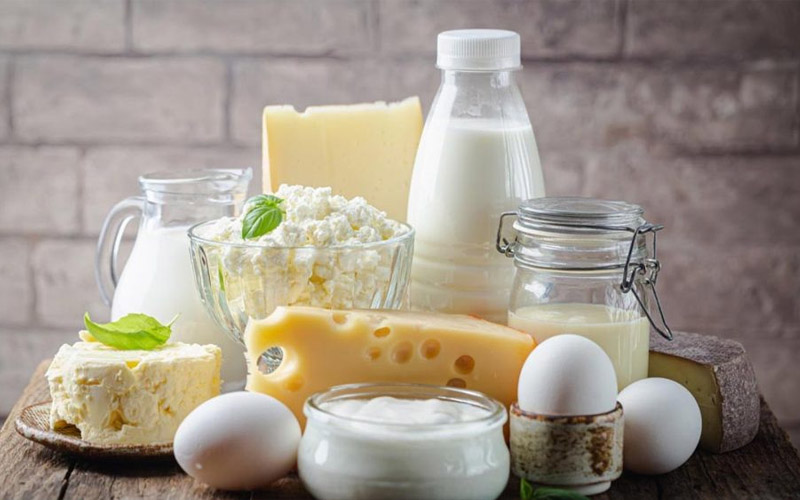
When it comes to dairy or anything related to it, it is most definitely a crowd’s favorite. A lot of people enjoy dairy in many ways, including milk, cheese, yogurt etc.; however, taste should not be the only way you decide how, when, and what to consume when it comes to dairy.
Your health and its requirements should be what determines that because a new study did find that consuming dairy does affect the health of your heart differently.
This article will explain more about this. Keep reading to know how these dairy products may affect your heart differently.
1. How Dairy Affects Your Heart Health
The study that deduced how different dairy products affect your life differently was very meticulous about seeing how they impact the heart in various ways.
ADVERTISEMENT
People who consumed a lot of milk and butter seemed to face more problems by the end of the study than those who consumed mainly cheese, for example.
This came as a surprise even to a nutritionist who was recommending milk intake to people who are trying to eat better.
It seems as though the issue with milk and butter is that they contain saturated fat, which means a higher risk of cardiovascular problems, or heart diseases and conditions.
2. The Amount of Dairy You Consume Is Significant
Experts are not saying that consuming these things will immediately lead to the person getting heart problems, but with time, this can become a very likely possibility that one simply does not want to risk since it can bring really unfortunate consequences.
Even though milk was clearly stated to be bad for whoever consumes it in excessive amounts, the increased servings and how much damage they do were not actually mentioned. But it is overall related to having fat and cholesterol build-up and causing CVD problems.
If we are comparing butter and cheese, the difference is pretty big; not only that, but it is obvious too. Butter is packed with very saturated fat as well as trans fat and cholesterol while cheese is not.
A small dose of butter can have a large number of those components, while the same amount of cheese would have much fewer of them.
3. Be Cautious about What You Incorporate into Your Diet
Experts are saying that when it comes to dairy, you should consider what is good for your body before you focus on making something a part of your diet.
Sometimes what your body needs does not align with what you are currently consuming, so you should always be mindful of that and cater to your needs.
This not only helps you stay on track in terms of your health, but it also helps you feel better about the things that you put into your system and consume.
If you feel like you want to eat dairy, do not consume really large servings of every dairy product at once. Consume them wisely, and perhaps you can consume one thing more than the other, such as cheese. Cheese is a much healthier option.
ADVERTISEMENT
Try to constantly maintain a well-balanced diet. Nothing surpasses moderation in everything you do in life. If in doubt, consult a nutritionist or your healthcare provider.
ADVERTISEMENT