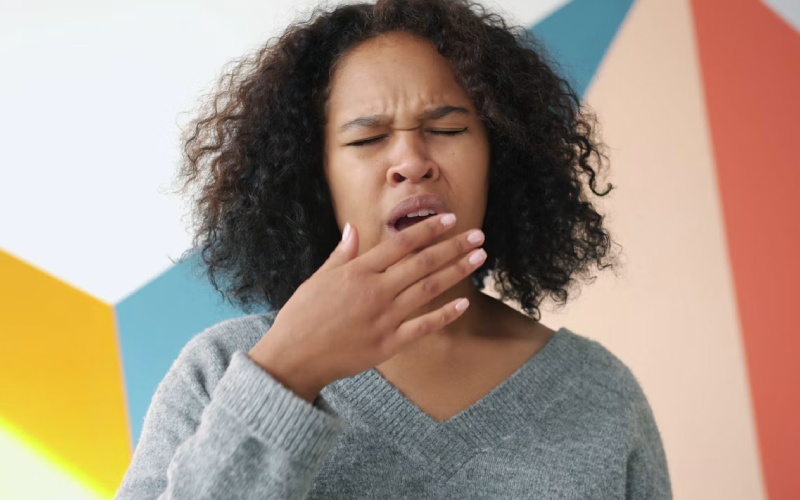
Most coughs come from a cold, and they’ll go away on their own after a few days. At Big Laps, we believe in listening to what your body says, whether you’re on or off the track. Here’s one sound you should never ignore.
The Sound: A “Whoop”
You can hear a loud “whoop” with this type of cough. That is how it got its name. It usually starts if when a person begins to gasp for air after coughing for a while.
It Starts Out Like a Cold
Whooping cough has signs that are similar to cold. You could have a nose that runs or is stuffy, a mild fever, and an occasional mild cough. These early signs could go on for about a week or two. Symptoms start to appear within 5-10 days of exposure.
Not long after the first symptoms, usually within two weeks, the coughing fits will start to kick in, and they can keep going for one week or even up to six weeks. In severe cases, these spells could last for more than two months. That’s why whooping cough is nicknamed the “100-day cough.”
ADVERTISEMENT
Signs of a Coughing Fit
- Sign 1: A gasping “whoop” when you take a breath after you’ve coughed for a while.
- Sign 2: Some people will throw up during or after a coughing fit.
- Sign 3: People usually feel spent after an extended spell of coughing but feel okay in-between.
Babies Don’t Always Whoop
This part is critical. Many babies experiencing whooping cough don’t cough at all. Rather, the symptom they could experience is breathing pauses that could threaten their lives.
For babies who haven’t clocked one yet, whooping cough can be serious, and one in three will need to get care from a hospital. Sadly, about 1 in every 100 of these hospitalized babies will die from complications.
If you’re a grandparent that’ll have a newborn baby around you very soon, the CDC recommends that you get a Tdap booster if you’ve not gotten one before. Take it at least 2 weeks before you get to see and hold the baby. Why? It’s how long your body takes to build the protection it needs against whooping cough.
Adults and Whooping Cough
Complications can also occur in teenagers and adults. One noteworthy complication is pneumonia. However, it’s milder most times and rarely fatal, but adults over 65 might run into serious problems.
Other Sounds That Are Worth a Checkup
Wheezing is another sound you should get checked. Per the American Lung Association, wheezing can mean there’s something blocking your airways or causing them to be too narrow. Another sign to note is coughing up blood; this is because the blood might be coming from your lungs or the upper parts of your airways.
Mayo Clinic says to always call your doctor if you have a cough that doesn’t go away on its own after some weeks. Also contact them if your cough produces greenish-yellow phlegm and comes with shortness of breath, weight loss, fainting, and ankle swelling.
When It’s an Emergency
Get emergency care ASAP for choking, vomiting, trouble breathing or swallowing, serious chest pain, and bloody phlegm. Also make sure you get checked if you cough hard for long periods.
FAQs
Is whooping cough after taking the vaccine possible?
It’s possible. Vaccines taken to combat whooping cough still work, but they’re not a cure. Those who were vaccinated against it can still catch it. But in these instances, the usual symptoms are milder.
Can honey help to calm a cough?
It can. A teaspoon of honey can be helpful to loosen a cough. Babies who aren’t at least one year old should never consume honey.
Do adults need a whooping cough booster?
ADVERTISEMENT
Yes. Per the CDC, any adult who has never had a Tdap shot should get one, especially if you’ll be around an infant for some time. Protection from childhood vaccines fades over time. Tdap also covers tetanus, so many adults are due for it anyway.
ADVERTISEMENT