If you get sick of COVID today, you’re likely to have the Omicron variant, which according to reports, accounts for about 99% of new infections. CDC also reports that this variant has several mutations and is very contagious.
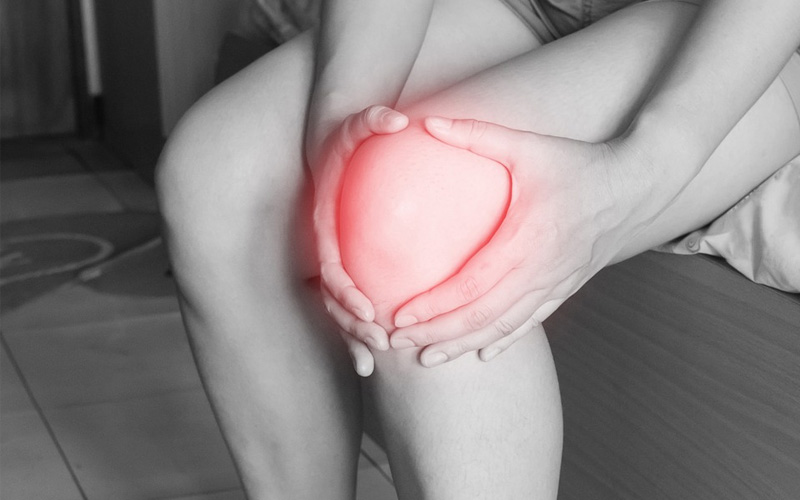
However, you’re likely to have different symptoms than past variants if you have them. For instance, muscle pain is a prevalent symptom among patients. So do you know where you’re likely to experience pain if you have COVID?
Kindly read on to learn more.
1. Muscle Pain is a Common Omicron Symptom
South African doctors were the first to report the varying symptoms of Omicron. They said that myalgia or muscle pain was a prevalent patient complaint. In addition, patients report feeling body pain and aches, fatigue, backache, and chest pain during the night.
2. Pain in the Shoulders and Legs Can be a Sign of COVID
You may feel body aches all over, but if you deal with the Omicron variant, you most likely feel muscle pain in the legs and shoulders. Some patients may have intermittent but widespread aches while recovering from the coronavirus.
ADVERTISEMENT
On the other hand, some may feel weakness, numbness, or pins and needles in the legs. Shoulder aches often include weakness, stiffness, pain, and numbness.
3. Why Muscle Pain is Prevalent among Omicron Patients
Myalgia is prevalent in COVID and other viral infections. However, this symptom is often present with Omicron because of the following reasons:
- First, the variant’s inflammatory mediators are causing muscle pain.
- Second, the variant affects the musculoskeletal system then impacts the ligaments, joints, muscles, and bones with pain.
4. Myalgia Isn’t in the Top Five Most Prevalent Omicron Symptoms
Muscle pain in the shoulders and legs exists in people with the Omicron variant. However, it’s not part of the most prevalent symptoms reported by patients. The top five signs are:
- Fatigue
- Runny nose
- Sore throat
- Headache
- Sneezing
Moreover, loss of smell and taste, and breathlessness are less reported. Most patients report symptoms like the common cold but no classic COVID symptoms.
5. How Will You Know if It’s COVID?
- Undergo a COVID test to be sure. You can ask your doctor or check the Department of Health’s website regarding the nearest testing sites.
- Your muscle pain comes with other prevalent symptoms such as fever, cough, and fatigue.
- Assess how and when muscle pain started. Usually, it occurs after cough and fever and co-exists with a sore throat or headache.
- Talk to someone who tested positive.
Final Thoughts
If you have muscle pain in your shoulders and legs, you may have the Omicron variant, which attacks the musculoskeletal system. However, it helps to undergo COVID testing to be sure.
You can ask your doctor or check the Department of Health website for the nearest COVID testing centers. Moreover, this symptom goes with other COVID signs; therefore, you must undergo testing if you also have fatigue, fever, and cough.
In addition, you must also get the vaccine and booster shot against COVID to help you fight the viral infection. Experts have been stressing the significance of vaccination to bring the world out of the pandemic soon.
ADVERTISEMENT
ADVERTISEMENT