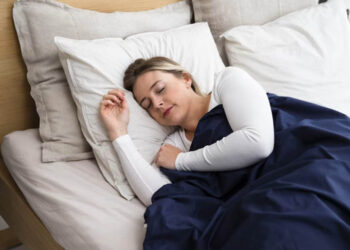

Snoring can be, at times, an annoying habit, and sometimes it’s easy to just let it go. However, if the sound is accompanied by difficulty breathing, insomnia, or daytime sleepiness, it could indicate an underlying issue unrelated to the sound. People with Obstructive Sleep Apnea (OSA) experience repeated interruptions in breathing at night.
At Big Laps, we examine several changes in nighttime breathing that warrant attention. Snoring alone does not establish a diagnosis, but certain patterns can warrant a conversation with a healthcare professional.
Breathing Stops During Sleep
A clear warning sign is noticing that you stop breathing for brief periods during the night. With obstructive sleep apnea, you may not remember the pause when you wake up, but it can occur multiple times.
Waking Up Gasping or Choking
Snoring followed by a sudden gasp, snort, or choking sensation is not the same as normal nighttime snoring. It may occur when an airway becomes blocked, and breathing is briefly interrupted, triggering a response to clear the airway.
ADVERTISEMENT
Snoring Is Loud and Persistent
Snoring is common, but if it’s loud and often keeps your spouse up at night, it may be a sign to take a closer look at your sleep. Sleep apnea should not be directly linked to snoring, as it is not the only factor used in its diagnosis.
Exhausted During the Day
Having a full night’s sleep doesn’t always mean that you are sleeping restfully. Fatigue can occur when breathing is repeatedly interrupted during sleep. If breathing halts occur, it can be irritating, and the individual will feel sleepy throughout the day. Focusing or being alert may also be a problem.
Headaches or a Dry Mouth
Morning headaches and a dry mouth can also occur in people with sleep apnea, although neither symptom proves that OSA is present. They are not diagnostic of the condition, as many other problems may cause them, but if present in conjunction with loud snoring, a sleep evaluation may be more worthwhile.
Waking Up Throughout the Night
Another indicator is if the person wakes up frequently at night. A person with sleep apnea might wake for a moment when their breathing slows, but then go back to sleep without realizing they woke. Even if a person sleeps for a sufficient amount of time, constantly waking up throughout the night may still leave them feeling lethargic.
When Should Snoring Be Checked?
Sleep apnea cannot be confirmed solely by snoring. There can be various signs related to Sleep apnea such as:
- Loud snoring
- Gasping during the night
- Repeated interruptions in breathing
- Breathing issues
ADVERTISEMENT
These reasons should be discussed with a healthcare provider. Sleep apnea should not be left unchecked.
ADVERTISEMENT