
In addition to keeping us home and increasing our susceptibility to viruses and illnesses, cold weather may have a startling number of unexpected effects on our systems.
It is also possible that not all of them are harmful; in fact, it is easier for us to keep off the weight during the winter part of the year.
To expand our knowledge, we looked into how human bodies could respond to the seasonal reduction in temperature. Check below!
1. Your Tongue Is More Active
When it is cold outside, your lips feel parched, and you want to lick them frequently to hydrate them. Even though it could provide you with short-term alleviation, this practice might actually cause chapped lips.
ADVERTISEMENT
Because saliva evaporates so fast, your lips become much drier than before. Additionally, it contains a large number of enzymes that are irritating to your sensitive lips and too abrasive for them.
2. You Might Experience Toothache
When it gets freezing outdoors, those with teeth sensitive to cold may feel a piercing, intense ache. The pain in your teeth might be brought on by cold air penetrating the nerves located deep inside the tooth.
In order to maintain your mouth’s warmth and shield your sensitive teeth from the cold and wind, dentists advise blowing through your nostrils when you are outside and wearing a scarf over your mouth.
3. Your May Have an Elevated Blood Sugar Level
Your body is stimulated by cold weather to generate stress hormones that raise blood sugar levels. Because we are less encouraged to workout outdoors when it is cold, many people find that their blood sugar levels rise when the temperature decreases.
Doctors advise doing at home exercises in the cold season to maintain your blood sugar levels since exercise decreases blood sugar.
4. You Could Experience Weight Loss
Although many people do put on weight during the winter, the body also burns calories more efficiently in the cold. Our bodies generate heat and use more energy while adjusting to chilly conditions. We expend more calories to produce heat when we shudder to warm ourselves while it is freezing outside.
5. You May Notice Extra Wrinkles
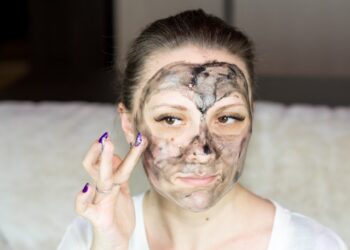
Although we can’t entirely blame winter for increased wrinkles, the colder months make our mucus more susceptible to harm, causing dry white spots on skin.
In the winter months, your skin begins to dry out as a consequence of a drop in humidity. It gets dry and becomes increasingly subject to wrinkles since it can’t hold onto enough water.
6. Your Vision May Deteriorate
In comparison to the summer, the winter might be riskier for our eyes. In the winter, we frequently forget to wear UV-protection sunglasses, yet the sun’s glare off the snow can cause significant eye damage.
Our eyes’ thin tear film barrier is extremely susceptible to low humidity and breezes, which can cause it to become excruciatingly dry. Using artificial tears eye drops when you are outdoors in the cold is advised by doctors.
7. Dehydration Becomes More Common
We do not typically feel thirst in the wintertime, and we frequently neglect drinking enough fluids. In blustery winds, we seem to sweat less, so we drink less since we believe we are sufficiently hydrated.
However, just because you do not feel as thirsty does not always mean your body requires less water; therefore, it is crucial to consume the recommended daily water intake.
Bottom Line
ADVERTISEMENT
You certainly have already noticed most of these symptoms but probably did not associate them with the cold season. Now that you are aware of these effects, make sure you do the necessary things to prevent yourself from experiencing them.
ADVERTISEMENT