
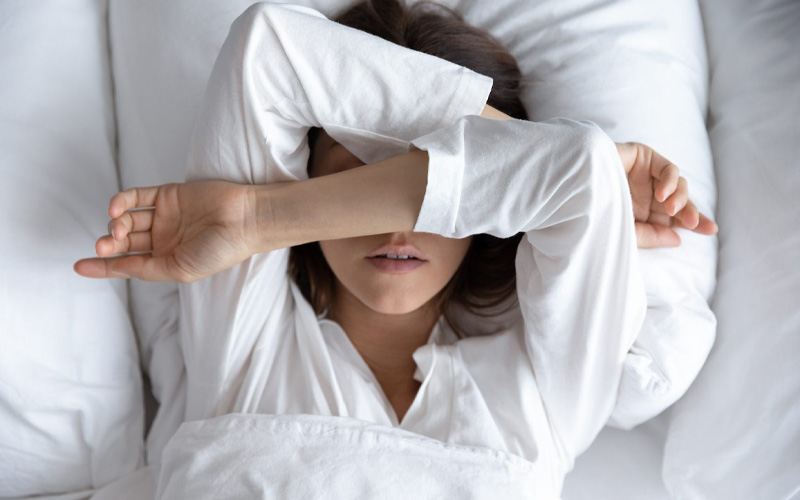
In addition to being a pleasant sensation, having a good night of sleep and feeling refreshed has always been something our bodies need. Starting the day feeling revitalized, though, can be more difficult for certain people.
A remarkable proportion of people still report feeling weary despite the fact that the majority of experts recommend getting at least 7 hours of quality sleep.
The National Sleep Foundation asserts that obtaining little sleep might have serious detrimental impacts on our health because our brains require a substantial amount of sleep.
Many people wake up not only feeling exhausted but also with a variety of symptoms that, if they persist over time, may point to a health problem that needs to be addressed by a doctor.
ADVERTISEMENT
Continue reading to discover the causes of 5 morning health difficulties.
1. Dry Mouth
It is much more than a little discomfort when you wake up with a dry mouth. It could actually ring the bell of a serious disorder, such as obstructive sleep apnea. Breathing repetitively pauses and begins while you are asleep; this is what sleep apnea signifies.
Dry mouth and other indicators including loud snoring, disturbed sleep, and daily weariness can also result from this respiratory disruption. Sleep apnea can lead to a plethora of health problems, including strokes, hypertension, cardiovascular disease, etc.
If you tend to open your eyes with a dry mouth every morning, you should perhaps consult your doctor; you might be diagnosed with sleep apnea. If you get the treatment needed, you will certainly avert sleepless nights, the cause of which are major health ailments.
2. Headache
A sleep issue is frequently indicated by headaches upon awakening; this could mean you are suffering from sleep apnea. The chance that you have insomnia is also a possibility. It is categorized by sleeplessness or trouble maintaining sleep.
Depression, worry, or anxiety are all potential causes of insomnia. Consult your doctor if you frequently experience headaches in the morning so they can help you identify the problem and select the best course of action.
An issue with your teeth can be another reason. You may awaken with a headache if you experience sleep bruxism, or teeth grinding and jaw clenching while you are asleep. In fact, the extreme action damages the gums, wears down the teeth, and causes muscle soreness.
3. Breathing Heavily
Gasping for air can be frightful when you wake up, and if it frequently happens, it might have a detrimental effect on how well you sleep.
There are a variety of reasons why someone could wake up unable to breathe, such as breathing problems caused by sleep deprivation and panic episodes.
It is important to check into this if it happens repeatedly to you so you can get the underlying reason treated. It is not unusual to occasionally wake up gasping for air, and it could be the result of a cold or a horrible dream.
By modifying sleep habits, many ailments that cause gasping for air at night can be cured. However, if your chest pain is persistent or you are having difficulties breathing, you ought to get professional care immediately.
4. Hand Numbness
If you sleep incorrectly or in a posture that restricts circulation, it could be typical to awaken with a little discomfort or numbness in your hands. Paresthesia of skin, which occurs occasionally after numbness, is a tickling or pins-and-needles feeling.
The same sleeping postures that cause numbness might also cause paresthesia. According to the National Sleep Foundation, pinched nerves are not the only cause of hand numbness that might awaken you in the morning, along with neurological damage and carpal tunnel syndrome.
A few additional medical conditions that can potentially result in numbness are cervical spondylosis, thoracic outlet syndrome, and type 2 diabetes.
5. Feeling Anxious
Snoring is frequently linked to sleep apnea, but there are other symptoms that might also be present. A typical example is waking up feeling uneasy.
This is brought on by the brain’s oxygen deprivation during apneic episodes, which can create emotions of panic and anxiety.
Loud snoring, accompanied by panting or coughing, and excessive daytime sleepiness are some other symptoms of sleep apnea.
Anxiety is known to affect almost 40 million people, making it the most disseminated mental disorder among people. According to research, the majority of people who suffer from mental health issues like anxiety also have some kind of sleep disruption.
ADVERTISEMENT
Do you suffer from any of the abovementioned ailments? Have you ever thought of consulting a healthcare professional because of them?
ADVERTISEMENT