
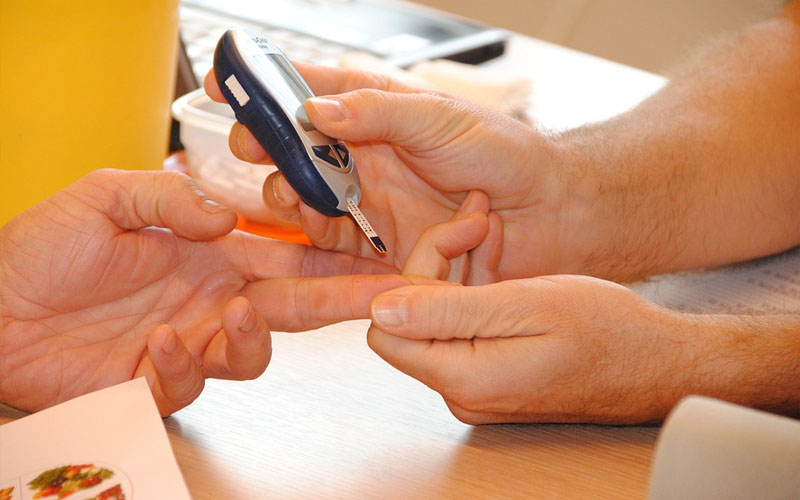
An imbalance in blood sugar puts your health at risk for major problems like heart disease, renal disease, and stroke. But how do blood glucose levels increase in the body? We’ll find that out in a while.
Blood sugar is essential to our entire well-being. Professionals suggest some warning signs of high blood sugar that everyone should know, so let’s check them out.
1. Understanding Blood Sugar
Hyperglycemia or high blood glucose develops when the blood sugar level is abnormally high.
This occurs when the hormone that carries glucose and carbon into the blood, insulin, is produced insufficiently by the body. The disease is frequently linked to diabetes.
ADVERTISEMENT
2. When Blood Sugar Level is Too High
A blood sugar (glucose) higher than 180 is too high after an hour or two post-meal.
If you’ve not eaten anything in at least eight hours, anything between 100 and 125 is considered excessive.
3. Untreated High Blood Sugar’s Risks
Blood arteries that carry blood to organs like the heart and kidneys will suffer harm if there is excessive sugar in your blood for an extended period of time.
4. Why Some Individuals Are Unaware of Their High Blood Sugar
Not everyone will be able to detect high glucose in blood symptoms. Some symptoms, such as weariness or a slow-developing increase in thirst, can be mild.
5. Feeling Worn Out
More glucose (sugar) does not equate to more energy. Your body can’t utilize the extra sugar to provide the energy it needs for increased activity.
6. Thirst or Increased Urination
Your kidneys try to remove extra sugar from your blood when they’re unable to filter it, making you more likely to get dehydrated by urinating more frequently or for longer periods.
7. Loss of Weight
if your hunger has increased or kept the same, you are unwillingly losing weight. This occurs due to insufficient insulin to handle the body’s excess glucose. Your body uses muscle and fat reserves as an energy source.
8. Variations in Vision
Due to elevated glucose levels, blood vessels can grow more densely beneath the retina or in the eye. The additional vessels can increase the risk of going blind.
9. Feeling Numb and Tingly
Nerve damage, commonly known as neuropathy, can result in tingling or numbness in your hands, feet, fingers, and toes.
10. Tips For Maintaining Blood Sugar in Balance
You should follow the following measures to maintain a healthy blood sugar level:
. Check your blood sugar levels. You could check and record the blood sugar level multiple times each week or various times a day, according to your treatment plan. Make a note whenever your glucose readings fall or rise below the desired range.
. Pay strict attention to your doctor’s instructions for taking medicine.
. If your physical activity changes, adjust your medication. The modification is based on the results of a blood sugar test as well as the nature and duration of the exercise.
Final Thoughts
Balanced blood sugar levels are crucial for your body. You can learn these symptoms to detect changes in your health. In addition, you should follow preventive measures to maintain ideal blood sugar levels.
ADVERTISEMENT
ADVERTISEMENT