
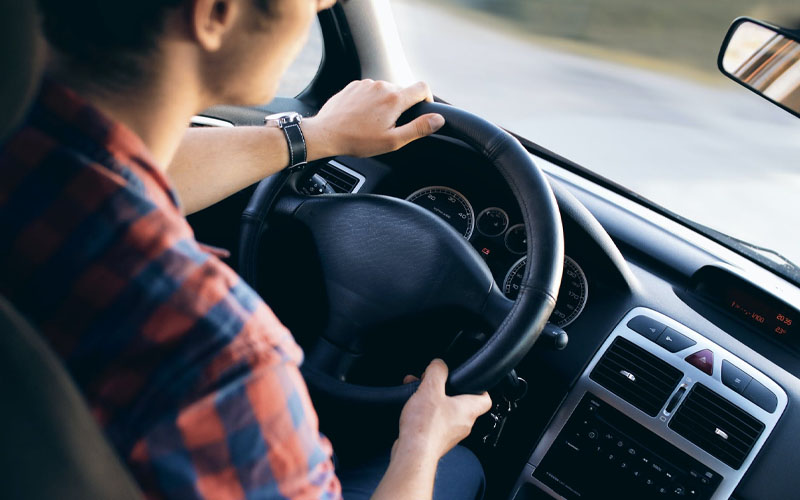
Even old drivers don’t realize what the dashboard’s lights mean. They may even ignore the “check engine” words that flash. According to a survey consisting of 1,239 driver respondents, 30% of them will wait between 30 days to a year to bring their cars to a mechanic after they notice the flashing “check engine” light.
Many car mechanics will tell you that, usually, it doesn’t mean anything serious. However, you mustn’t ignore some red flags if you don’t want your vehicle catching fire. You may want to read on to discover the sign that tells you to get out of your car quickly.
1. Engine Fires Occur Yearly in the U.S.
You may be interested to know that there were about 171,500 highway car fires yearly from 2014 to 2016. The Federal Emergency Management Agency of the U.S. DHS reported that, on average, 1,300 injuries and 345 fatalities resulted from such fires each year.
Moreover, 62% of these fires started in the vehicle’s engine area. A primary factor of such occurrence was due to mechanical failure. 35% of all fatalities were due to these fires.
ADVERTISEMENT
2. Rapid Change in Engine Temperature
If your car engine temperature changes quickly, it may catch fire or is already burning. If you’re wondering where you can check the temperature gauge, it’s on your vehicle’s dashboard. For example, a vehicle engine may run from 195 – 220 degrees Fahrenheit. It would be overheating if you notice the dial going to the hot side.
Fire can erupt immediately or is already burning. You must leave your car and call for help. It would help if you exited at once because fire can quickly get out of hand.
3. Smoke from Under the Hood or Vents
The smoke coming out from the vents or under the hood is more evidence that your car is on fire or will catch on fire at once. If you smell burnt rubber or plastic, you must realize that your vehicle may risk being on fire immediately or it may be already starting.
A vehicle chassis is small, and it’s not surprising for flames to reach you sooner than you expect. However, fumes can get trapped in the car, and it is time to turn off the engine and get out of it at once. It would also be best if you ran as fast and as far away as you could.
4. Fuel Leak Can Cause a Vehicle Fire
Aside from the change in engine temperature, it would be best to be wary about the fuel gauge. If there’s a quick change in fuel levels, a significant leak may result in a fire. Therefore, once you get inside your car, you must first check its fuel level. If you notice that it’s much lower than the last time you drove your vehicle, you must check under your car for a puddle of fluid.
Fluid underneath your car can be dangerous. It isn’t advisable to drive your vehicle anymore. Gasoline is flammable and corrosive; therefore, it’s easy to catch fire any time if there’s a leak.
5. Defective Electrical Systems
Your vehicle’s electrical system can have improperly connected wirings or incorrectly installed batteries. As a result, the battery may overheat and cause sparks to start the fire inside the hood. On the other hand, faulty electrical wirings can wreak havoc and set your car on fire.
6. Your Car is on Fire, Now What?
If you’re driving and your vehicle catches fire, you mustn’t panic. However, you may follow these tips in case the unthinkable happens.
- Pullover at once.
- Stop your car and turn off its engine while you and the other passengers get out of it.
- Stay away at least 150 feet from your burning vehicle and ensure that you’re in a safe and secure area.
- Call 911 to inform them about your predicament.
- Warn other people to keep away. Don’t attempt to go back to your car to get any road safety instruments.
Final Thoughts
Everyone finds owning a car convenient because it can get them to places without the hassles of using public transport. However, if you have a vehicle, you must ensure that you know what to watch out for to prevent getting trapped if your car burns.
ADVERTISEMENT
If you notice any signs, such as the check engine light listed in this article, you must immediately get out of your vehicle. Then, keep a safe distance and call for help. Panicking won’t get you anywhere.
ADVERTISEMENT