
Taking care of a garden can be a very fun process, and fruitful too. But not when you have pests leeching onto your plants, eventually sucking the life out of them. Before we get into how you can take care of pests, it is best to know what they are in the first place. Garden pests, according to experts, are very small organisms that basically live off whatever you have planted in your garden.
From flowers to vegetables, these pests can and will affect whatever they manage to find. These pests are usually known to be harmful to your garden because after a while, they make your plants unsuitable for harvesting. So here are 8 ways to combat those garden pests and make sure they do not get anywhere near it.
1. Resistant varieties.
This first solution falls more into the prevention category rather than combating, but it is always a good idea to be a few steps ahead when it comes to garden pests. So for this one, what you will need to do is grow varieties that are in fact known to be resistant to pests. This might take a while as you will need to do a little bit of research, but in the long-term, you will not have to worry about combating too many pests or spend less time doing so if they do occur.
2. Work with nature.
Keeping harmful pests out of your garden can be a very frustrating thing, especially because how nature happens is not something you can control. So why not give a shot to the things you can control? When it comes to gardening, not all insects are bad.
ADVERTISEMENT
You can actually use what the experts call “beneficial insects” to keep the harmful ones out. All you have to do is do some research to find out which ones will work best for your atmosphere and where they are located, then bring them right in and they will take care of the rest. Ladybugs are a perfect example for that.
3. Confuse the pests.
Yep, you read that right, you can actually confuse your pests. How, you may ask? Well, you can try something that is called “companion planting”. This simply means to mix up whatever it is you are planting, such as planting flowers right next to your vegetables, etc. You can also take a bunch of rocks and paint them red then place them near the flowers of your strawberries before they start to ripen.
4. Physical barriers.
These first few hacks are important but there is nothing like a physical barrier to help keep everything secure and protected. You can still get unfortunate accidents here and there, and for that, you can use fruit traps. But overall, to avoid experiencing a great loss, always make sure you’re planting extras if you have the space for that.
5. Try to keep your soil and your plants healthy.
Keeping both your soil and your plants healthy can be a great deal of help when it comes to dealing with garden pests and keeping them away. If your plant is not thriving, then that makes it prone to diseases and pests, not exactly what you would be looking for when it comes to a healthy harvest either. So always keep in mind that healthy plants come from healthy roots, and healthy roots come from healthy soil.
6. Keep an eye on your garden
This might sound very simple or obvious, but if you have a garden that you intend to keep healthy long-term, then you need to keep an eye on it. The benefit of that could sometimes be preventing small issues from becoming serious and catching on before it’s too late.
When you’re keeping a close eye, you can always take things into your hands and cut off what needs to be cut, and remove any visible bugs and/or pests before they spread even more. This can also be helpful if you have fruit trees so you can take away whatever falls on the ground before pests get inside, harbor, and then come out attacking your trees.
7. Use sprays.
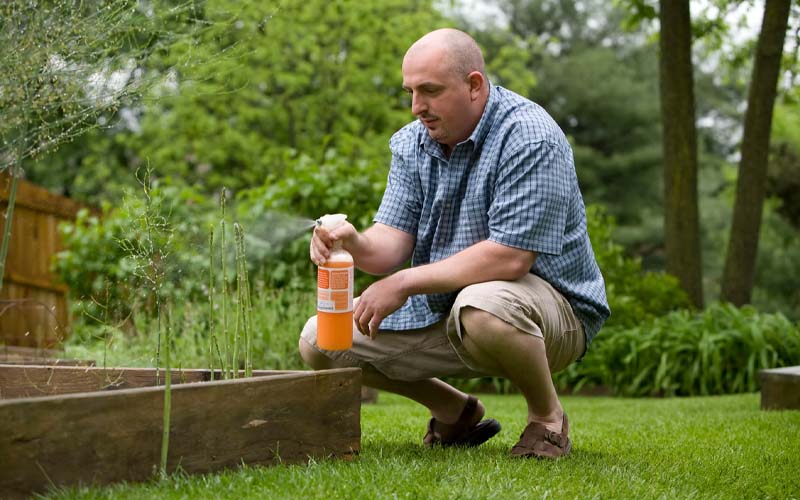
There are sprays designed to keep the pests from clinging on to your plants so you might want to get your hands on those. All you have to do is dilute a small amount in some water and then spray your plant down to the soil. To make it as effective as possible, you will need to reapply regularly. If you no longer notice any pests around, you can either refrain or reapply as you see fit for prevention.
8. Avoid over-fertilizing
A fertilizer is used to help grow healthier plants and make sure they grow nice and tall, but sometimes, overdoing it might be what attracts those pests to your garden in the first place. You cannot combat the same problem you are causing. What you can do here is use organic fertilizers that are natural in releasing the nutrients to your plants instead of everything at once.
ADVERTISEMENT
Tell us how your garden is doing right now.
ADVERTISEMENT