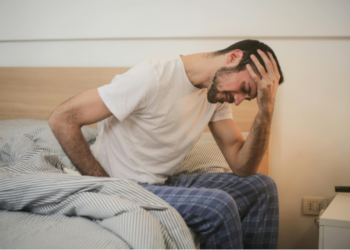

We are sure that by now you know that sleep problems can turn you into an irritable mess. To add to that, your memory and concentration team up against you. But that is not all…
Sleep problems and deprivation can also take a toll on your appearance, sex life, and overall health. Although there are several reasons for lack of sleep, some people actually choose to forego their rest.
There are many ways how a lack of sleeping at night can affect you. Listed below are a few of them:
1. Public Safety Hazard
When you sleep bad, you risk endangering not just yourself but also others. Many disasters of the last century happened precisely because people were not getting the best sleep. These include nuclear accidents, meltdowns, and oil spills.
ADVERTISEMENT
But you do not have to work a hazardous job to be a hazard to public safety. Sleep deprivation often leads to drowsiness and slowed reactions, which can be extremely dangerous when driving. Fatigue is to blame for hundreds of thousands of car accidents each year, especially among young drivers.
2. Decreased Brain Activity
Sleep not only makes you more energized but also smarter. Your brain craves rest at night so it can consolidate memories and renew cognitive functions.
So sleep problems can hinder memory, attention, focus, and problem-solving. Needless to point out that these are essential to learning and recalling new information.
3. Increased Health Risks
When seeking out treatment for sleep deprivation, you may be diagnosed with an array of other conditions. Most commonly, those who lose sleep are much more prone to developing heart diseases and falling victim to strokes and heart attacks.
4. Reduced Libido
As it turns out, those who deprive themselves of sleep also end up killing their sex drive. If you do not get enough sleep and have trouble feeling energized, your libido will suffer greatly.
Besides, men who also suffer from sleep apnea are even more affected in this department. It has been observed that low testosterone levels are linked to this.
5. Depression
When diagnosing lack of sleep, depression is often listed as a cause. Those with anxiety disorders either have trouble sleeping at night or do not sleep nearly enough. As a matter of fact, insomnia is also often correlated with depression as patients of the latter tend to experience both.
Sleep problems significantly aggravate depression. At the same time, depression makes it harder to get to sleep. But fortunately, seeking help with sleep deprivation or depression can also reverse the effects.
6. Accelerated Aging
We have all woken up one morning after having slept terribly and noticed the toll it took on our appearance. But besides dark circles and a puffy face, lack of sleep can also speed up aging.
When you don’t get enough sleep, your body creates more cortisol. The ‘stress hormone’, as it is called, eats away at the collagen in your skin.
In addition, sleep deprivation prevents the body from producing sufficient human growth hormone. Once we are done growing up, this hormone boosts muscle regeneration, strengthens the bones, and thickens the skin.
7. Weight Gain
Another consequence of sleep problems is unwanted weight gain. The less you sleep, the hungrier you feel, which will have you cave to cravings and eat more than what your body needs.
This is why nutritionists and fitness instructors make sure to stress the importance of rest in a weight loss journey. Sleep can help suppress appetite due to peptides that regulate hunger – leptin, and ghrelin. Besides, sleep deprivation not only increases hunger but also makes you crave foods that are high in fats and carbs.
8. Reduced Life Span
Have you ever heard the phrase ‘I’ll sleep when I’m dead’? Turns out that lack of sleep might push you towards the grave before your time.
ADVERTISEMENT
A study conducted on British public officials over the span of 20 years showed that those who slept fewer hours each night increased their risk of mortality. Cardiovascular disease seemed to be a recurrent cause but these people had many other conditions as a result of sleep problems.
ADVERTISEMENT