In our youth, we tend to throw all the diseases away with one simple phrase, which is “That only happens to old people”. This kind of behavior is even more normalized in terms of bone health, with osteoporosis being termed the “senior problem”.
However, what most people don’t realize is that the only reason osteoporosis is common in older people is because it lays its groundwork during the earlier years.
That’s what we’re here to talk about today. In this guide, we’ll list different symptoms that might indicate that your bone health is in shambles, and how you should tackle each symptom and secure your senior years, free of any bone diseases.
Read on more to find out about the 3 signs of troublesome bone health!
ADVERTISEMENT
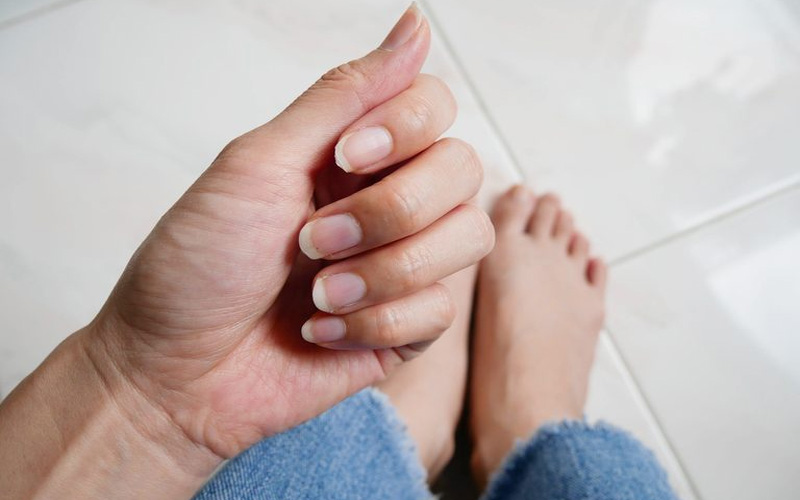
1. Your Nails Are Easily Chipped
Breaking a nail is a pain in its different league, but in today’s context, it’s not the intensity we’re focusing on, it’s the frequency.
If you’re noticing that your nails are breaking too easily and too frequently, it’s a direct sign of calcium deficiency, and if it’s one thing we all know about calcium, it’s that it’s highly important for our bone formation and maintenance, besides just being an integral part of hair health.
On the bright side, there are a lot of everyday things you can add to your diet to get over this calcium deficiency. This mineral can be found in almost every dairy product, dark and leafy vegetable, sardines, and more.
2. Receding Gums
Receding gums are the silent killers among the three symptoms of bad bone health we’ve mustered up today. This is because your gums recede very slowly over the years, and if you’re not taking regular visits to the dentist’s office, it’s very hard to know beforehand.
Nonetheless, the reason why gums start to recede is when the jawbone starts losing its strength, and since it’s the anchor point for your teeth and gums, the teeth start to pull apart.
The best thing to do here is to floss regularly and never brush too hard. It’s important to take preventive measures correctly, as even though gum recession is preventable, it surely isn’t curable.
According to Cleveland Clinic, “Older people are more prone to having gum recession after the age of 65. Besides that, people with braces history, mouth piercings, and tobacco-chewing habits also have a higher chance of receding gums as they age”.
3. Frequent Muscle Aches and Cramps
Pain in joints and muscle aches are the usual signs that you’re getting old, but that’s not the only thing these symptoms tie themselves to.
If you’re experiencing pain in joints and muscles more frequently, it’s most likely because of vitamin D deficiency. This kind of deficiency, if remained untreated for too long, can lead to bone loss in your older years.
Doctors explain that these cramps and joint pain start small, eventually coming in the form of waves of pain that keep you awake at night.
While often people start to bathe in sunlight more or start eating high vitamin D-rich foods, your doctor might suggest a different route, depending on how deficient you are.
Bottom Line
We’ve tied bad bone health to old age long enough, and the above article has very important reasons as to why you should take care of your bones at all ages.
ADVERTISEMENT
These are just three of the many signs that your body gives you when your bones are in trouble. We advise you to listen to what your body is telling you and seek medical assistance whenever you think there’s something serious going on.
ADVERTISEMENT