
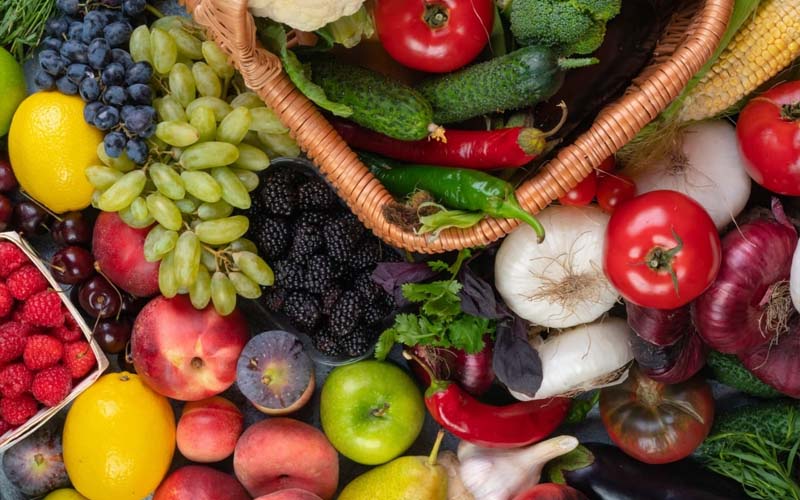
Eating the same foods every day is simple to maintain, especially if you enjoy them. But it might not be the healthiest course of action even if you’re eating the healthiest foods.
Humans were made to hunt and gather food; thus, our diets are organically diversified. This is probably an ecological design that enables us to obtain and absorb a wide range of nutrients over lengthy periods of time in order to maintain a healthy diet and maximize the functioning of our bodies.
Continue reading to find out why sticking to the same foods may be detrimental to your health.
1. Nutritional Deficiency
Our bodies need a diverse range of healthy foods, namely vegetables and fruits, to help us fulfill our system’s requirements.
ADVERTISEMENT
Wesley Delbridge, representative of the Academy of Nutrition and Dietetics, advises us to consume produce in all the hues of the rainbow, and not to forget that frozen veggies are just as nutritious as fresh ones and won’t go bad as soon.
2. Weak Internal Health
The perfect list of healthy foods to eat should essentially be diversified. This diversity and having access to a range of meals give the stomach the conditions it needs to produce the beneficial bacteria that can enhance digestion. It is the answer to how to boost your immune system.
3. Weight Loss Prevention
According to a newly published study, those who consumed a wider range of nutritious meals were able to lose weight more quickly than those who consumed fewer options. Therefore, the best diet for weight loss would be a diversified one.
4. Shorter Life Span
Researchers who followed the health of more than 50,000 women in a study that was published in the International Journal of Epidemiology discovered that those who consumed a broad range of healthful foods often lived longer than those who consumed the same foods every day. Scary, isn’t it?
5. Food Boredom
Healthy nutrition is not necessarily one that makes you feel bored of the food you consume; food has to be enjoyable. Delbridge asserts that it ought to be something you eagerly anticipate.
Changing your diet exposes you to delicious options and new dishes, as well as helps restore the enjoyment of eating.
6. Weak Metabolic Health
A 2015 study in the Journal of Nutrition indicates that people who eat a diversified diet are far less likely to develop metabolic illness, a group of harmful conditions that can result in diabetes and heart disease.
Whereas people who ate a healthy range of foods noticed a reduction in blood pressure and belly fat, as well as their cholesterol levels.
7. Selective Eating Disorder
This illness, known as “selective eating disorder,” is defined by a persistent unwillingness to consume particular meals or a reluctance to eat any sort of food because of an adverse reaction to certain natural dyes, textures, or scents. Its possible outcomes can sadly be undernourishment and unhealthful weight loss.
8. Nutrients Overdose
If you obsessively consume a certain meal over and over, your health might be in jeopardy. For instance, excessive turmeric might affect how well the liver and blood coagulate, according to Auslander Moreno.
She also warns against consuming too much of some toxins. According to Moreno, mercury poisoning is weight-related and can be an issue if you often consume voracious fish (like tuna) and if you are a petite person.
If you believe that eating oats for breakfast each morning and toast bacon for lunch each day is maintaining things simple, you are just endangering your wellbeing.
Make sure you diversify your diet as much as possible. Don’t worry, you have many options to choose from.
ADVERTISEMENT
ADVERTISEMENT