
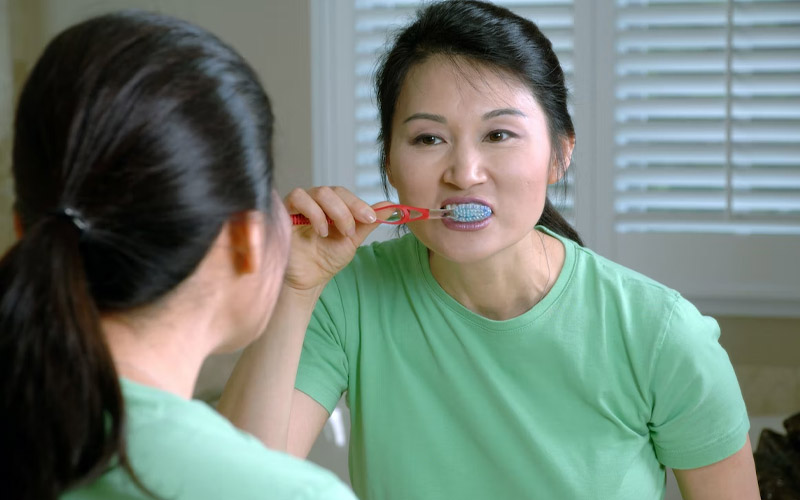
Like most people, you probably have a lifelong practice of cleaning your teeth twice a day. Dentists all across the world recommend cleaning your teeth at least twice daily.
In addition to the cosmetic advantages of brushing your teeth, doing so has a number of positive health effects as well. But what happens if you don’t brush your teeth?
1. Bad Breath
Most obviously, frequent tooth brushing prevents halitosis, also known as bad breath. After a meal, brushing helps eliminate food that has remained in your mouth. When these food remnants are not removed by routine brushing, salivary enzymes begin to decompose them.
Your saliva washes away your leftovers, generating an unpleasant, sulfurous substance that gives your mouth a general foul stench. Your breath will stay clean and fresh if you brush twice a day to assist stop this process!
ADVERTISEMENT
2. Bacteria Accumulation
When you do not brush your teeth after breakfast or right before bed, you are letting germs flourish in your mouth.
This is not only an unpleasant thought, but it also causes plaque buildup on your teeth and along your gum line. Regular brushing fights germs on a regular basis and prevents plaque from forming.
When plaque is ignored for a considerable time, it develops into tartar. This firm, dense, and yellow discoloration called tartar harms your gums by causing bleeding and irritation, leading later to tooth cavities.
Regular brushing techniques cannot completely remove tartar, thus an appointment with the dentist is typically necessary. In addition to being ugly and challenging to remove, tartar is frequently the precursor to serious dental health issues.
3. Tooth Decay
Uncontrolled tartar can seriously harm your dental health as a whole. Combined, plaque and tartar erode your teeth and gums, giving other more harmful germs greater accessibility to your tissues.
Tartar will gradually weaken and cause deterioration in teeth and gum inflammation, which might result in infections and periodontal (gum) diseases.
4. Serious Diseases
Bacteria and tartar may enter the bloodstream and create major health issues, not just in your mouth, if they are given a long enough chance to get in contact with the gums. Periodontal disease is indeed directly caused by poor dental hygiene.
Studies have also shown that methicillin-resistant Staphylococcus aureus (MRSA), respiratory infections, dementia, pneumonia, and heart attacks are all associated with an unclean mouth. According to Dr. Ephlin, disrespect for oral health can lead to serious health issues.
Furthermore, diabetes and periodontitis are linked in both directions. In other words, diabetes increases the chance of periodontitis, and vice versa. Serious inflammation brought on by poor oral hygiene can result in diabetic complications and insulin resistance.
An essential first step in stopping plaque and tartar buildup is to regularly brush your teeth. Potential serious health problems might result from not controlling the microorganisms in your mouth.
ADVERTISEMENT
A visit to the dentist is essential once every four months to keep things under control. On the whole, for your own benefit, make certain you maintain clean teeth!
ADVERTISEMENT