Getting winded after a long and hard run is normal. But if you get winded while sitting on your couch, there’s a problem. At Big Laps, we want you to understand how your body works, and that includes knowing when your breathing gets weird. A blood clot in your lung can be fatal. However, prompt action can save a life.
What Is a Blood Clot in the Lung?
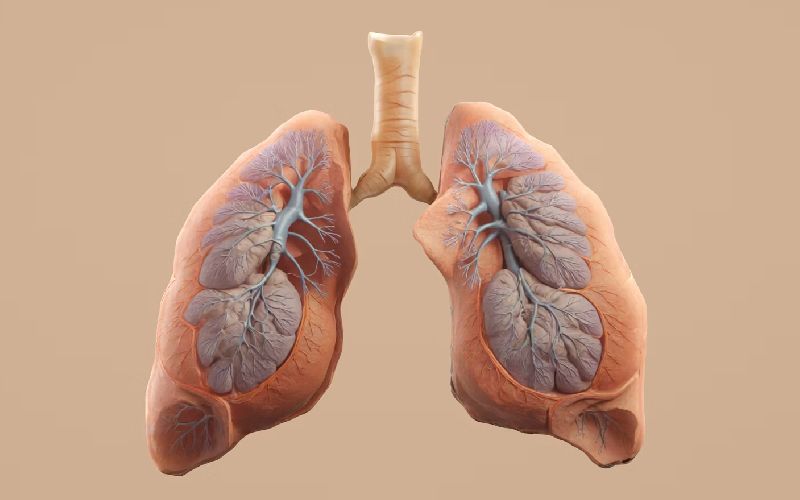
Doctors call it a pulmonary embolism (PE). Mayo Clinic says a blood clot is what restricts blood flow to an artery in the lung. Most often, the clot forms in a deep vein in the leg, then breaks loose and travels through the bloodstream to the lungs.
The Warning Sign to Note
Shortness of breath is a common blood clot sign. It comes on suddenly, with no obvious reason for it. So, you can have a hard time catching your breath even when you’re lying down on the couch. Things tend to get worse when you try to move. According to the NHLBI, a clot in the lung can also cause sudden, sharp chest pain.
Other Symptoms That Can Pop Up
Beyond shortness of breath and sharp pain in the chest, here are other blood clot symptoms you should know about:
ADVERTISEMENT
- Coughing Up Blood: You’ve got a cough that brings up bloody mucus.
- A Racing Heart: The CDC describes this as a quicker than normal or irregular heartbeat.
- Feeling Faint: Lightheadedness, low blood pressure, or passing out can be an indicator of a blood clot in the lungs.
- Leg Pain or Swelling: Mayo Clinic notes it most often affects the calf.
Don’t Wait It Out
A suspected clot in the lung is an emergency. If you have sudden shortness of breath, sharp chest pain, or you cough up blood, call 911 — don’t drive yourself and don’t wait to see whether it passes. Per the CDC, in about one in four people with a pulmonary embolism, sudden death is the first symptom.
For most, the first warning is breathlessness. For about a quarter, there isn’t one, which is why the breathless cases matter so much. According to the CDC, up to 900,000 Americans get a blood clot in a vein each year, and somewhere between 50,000 and 100,000 of them die as result. As such, getting treated quickly saves lives.
Sitting Still Can Raise the Risk
The NHLBI says lack of movement after a surgery or during long trips can increase the possibility of having blood clots. Long flights in a cramped seat can slow blood flow to your legs. This can result in a clot in your leg’s deep vein(s).
Other risk factors for deep vein thrombosis (DVT), the leg clot behind most cases of PE, include a recent hospital stay, cancer and its treatment, pregnancy and the first three months after giving birth, and estrogen-based medicines such as some birth control pills and hormone replacement therapy, according to the CDC.
There’s a lot you can do about it. If you can’t avoid a long trip, make sure that you drink plenty of water and go easy on alcohol. If in a plane, try to walk around every 60 minutes. Every 15 to 30 minutes, circle your ankles and wiggle your toes.
FAQs
Can you have a blood clot without any leg symptoms?
Yes, this can happen. According to the CDC, you can have PE without blood clots forming in your leg. And about half of people with a clot in the leg have no symptoms from it at all.
Can a blood clot return after treatment?
ADVERTISEMENT
Yes, it can. The CDC states that about one-third of people who have a blood clot will get another within 10 years. If you’ve suffered a blood clot before, ask your doctor what you can do to lower the risk of another.
ADVERTISEMENT