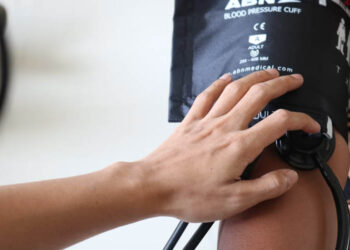
Accurate blood pressure readings are essential for diagnosing cardiovascular issues like strokes and heart attacks. Doing it yourself lets you track your blood pressure long-term while avoiding what’s commonly called ‘white coat hypertension,’ where your blood pressure rises because being in a clinic or medical setting causes more stress.
When you’re measuring it, make sure you avoid these blood pressure mistakes that’ll give you a bad reading.
Blood Pressure Mistakes You Could Be Making
1. Not Resting Long Enough Before Measuring
You need to rest before your blood pressure’s checked. Sit down for between three and five minutes beforehand, as rushing into a blood pressure appointment can artificially elevate your readings. Let your body relax so you can get an accurate baseline.
2. Crossing Your Legs or Bad Foot Placement
Keep both of your feet flat on the floor and make sure you haven’t crossed your legs. This makes sure your blood pressure readings are consistent if you’re being tested a few times, which is always recommended.
ADVERTISEMENT
3. Positioning Your Arm Wrong
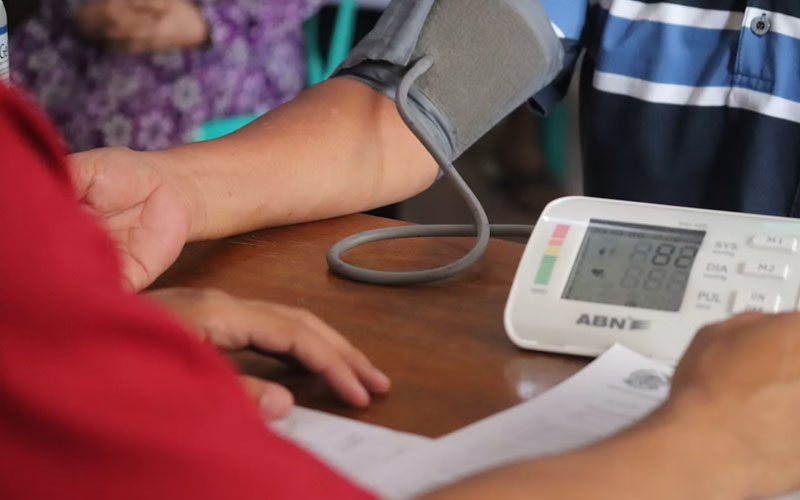
Your arm needs to rest on a table so the cuff sits at heart level, at the middle of your chest. If your arm’s hanging by your side, or hanging too high or too low, it can alter the readings. You could find your blood pressure reading will come in higher than it should read.
4. Using the Wrong Cuff Size or Placing it Over Your Clothes
The cuff being used always plays a role in your readings. Medical professionals know exactly which ones they should use for each patient, but that doesn’t mean everyone else does. Measure your upper arm and use a cuff that actually fits it.
And, you need to make sure it’s placed on your skin so it can accurately measure your blood pressure. If your clothes are between the cuff and your arm, they’ll interfere with the measurement. If you’ve rolled up your sleeve, for example, it can constrict your blood flow and increase blood pressure.
5. Drinking Coffee, Smoking, Exercising, or Having a Full Bladder Beforehand
All of these can increase your blood pressure, even slightly, which then leads to the wrong reading. At least, it wouldn’t be completely accurate. Avoid them, as well as large meals, for at least 30 minutes before your blood pressure reading. It’ll make sure you get as accurate a baseline as possible.
6. Talking or Moving as Your Blood Pressure’s Measured
This is one of the more common blood pressure mistakes to make, but you need to avoid it. Talking and even fidgeting messes with the readings and can lead to inflated numbers. While it might be a little difficult to stay still and quiet, it makes sure you get an accurate blood pressure reading.
7. Having Only One Reading or Using a Poor Quality Device
Take at least two readings so you can account for any inflated or wrong readings, with these being spaced at least two minutes apart. Using the right device as part of this is always important, too. Wrist or finger devices, for example, are less reliable than upper-arm automatic monitors. Go with one that’s proven to be accurate.
Avoiding Common Blood Pressure Mistakes
ADVERTISEMENT
Accurate readings start with avoiding common blood pressure mistakes. A consistent routine lets you track your blood pressure more accurately, better supporting your health long-term. It’ll give you readings you can trust.
ADVERTISEMENT