
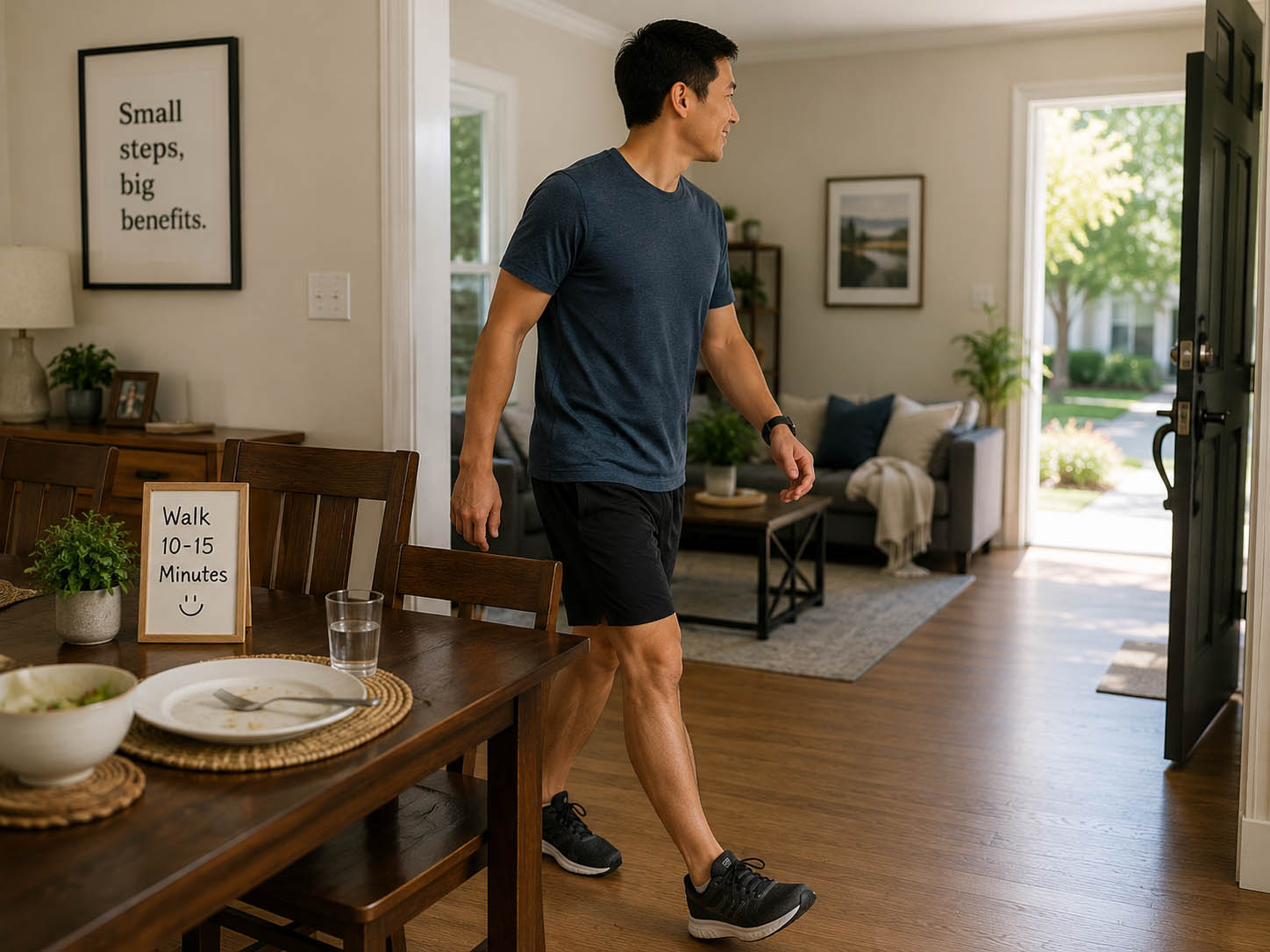
The plates are empty, the meal is finished, and the next step is typically to take a seat. What if, instead of spending those first few minutes on the couch, you took a quick walk?
At Big Laps, we’re interested in things we can do in the real world, and one of the easiest to try is walking after you eat. It doesn’t take a long walk to make a difference after meals if you make it a habit of taking a walk.
Your Muscles Begin Using More Glucose
Blood sugar levels normally increase after a meal. Glucose is used by muscles when you walk. This may help minimize the rise in blood sugar after eating compared with being inactive.
You don’t need long walks — even short, occasional ones help. It should not be a rule of thumb to walk after every meal.
ADVERTISEMENT
Your Body May Need Less Insulin to Handle the Meal
Gentle exercise following a meal can improve the body’s response to glucose and may reduce the amount of insulin the body needs to manage the post-meal rise in blood sugar. This is not meant to replace diabetes medication or other diabetes care, but rather to supplement that care.
Individuals taking insulin or blood sugar-lowering medications should consult their health care professional for information on how to exercise safely.
You Break Up Long Periods of Sitting
Walking after breakfast, lunch, and dinner replaces some sedentary time with physical activity.
The CDC recommends adults be more active, sit less, and says that “Some physical activity is better than none”. Taking a short walk after each meal is an easy way to stay active throughout the day.
They do not necessarily fulfill all exercise requirements, however. General guidelines for adults are to do a minimum of 150 minutes of moderate-intensity aerobic exercise per week and muscle-strengthening exercise on two days. Aiming for 150 minutes of exercise at a medium intensity each weak, along with strength focused workouts twice or more weekly is the general recommendation for adults.
Your Stomach May Empty More Quickly
After eating a meal a gentle walk may help digestion as it helps the food pass through the stomach.
This does not mean everyone will feel better after walking, and a walk itself isn’t a cure for ongoing digestive symptoms. Walk at a comfortable pace, particularly following a big meal.
How Soon and How Long Should You Walk?
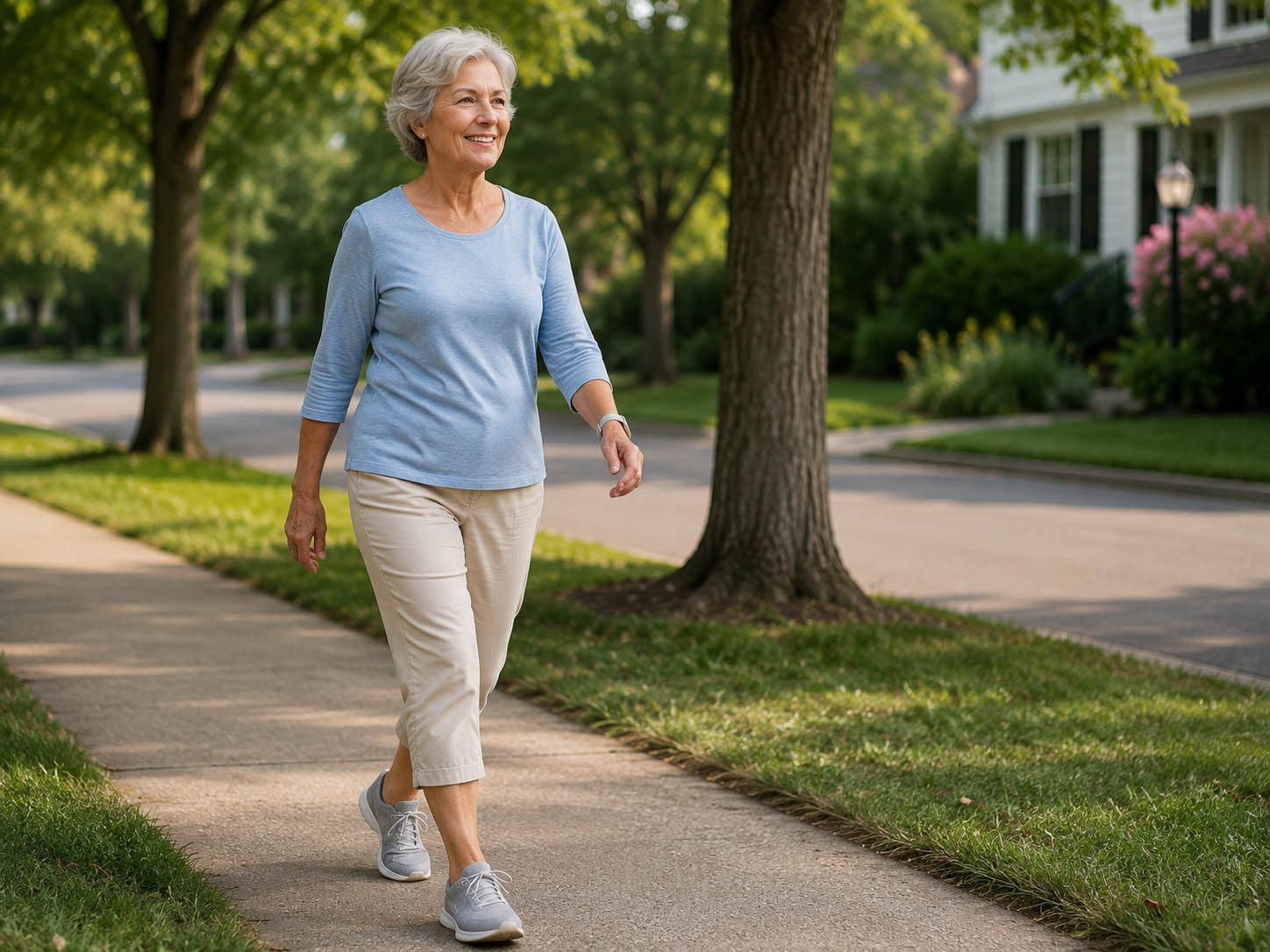
No need to wait an hour or do strenuous exercise.
Walking within 15 – 30 minutes after a meal may help to control glucose levels, according to the Cleveland Clinic.
The most successful post-meal walking plan is the one that you can fit into your daily life!
ADVERTISEMENT
Healthy eating and medical treatment cannot be substituted by taking a short walk. Even one walk may have an immediate effect on post-meal blood glucose, while consistency helps turn the practice into a lasting habit.
ADVERTISEMENT