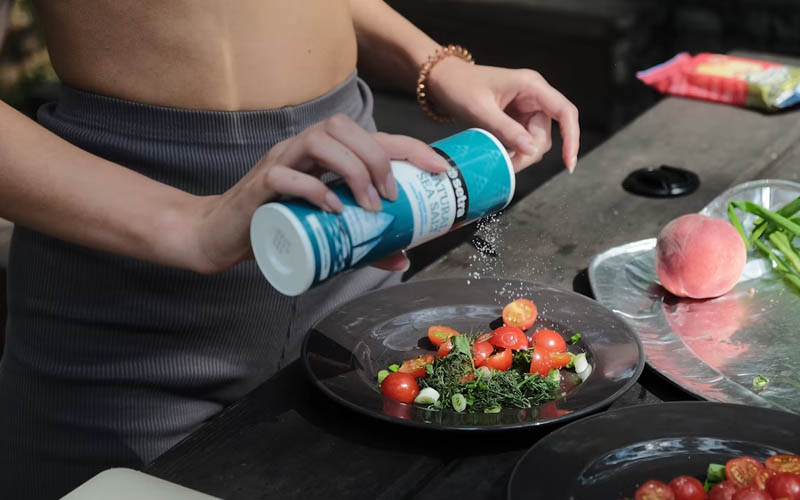
Salt is easy to see when it’s placed on a shaker. The more challenging aspect is identifying the sodium in other foods — such as bread, sauces, packaged meals, restaurant food, and common snacks. Changing those food choices can reduce your sodium intake over two weeks, but it may be less clear what can change within your cardiovascular system during that time.
At Big Laps, we take a look at realistic changes, not quick-fix promises. While low-sodium meals won’t be a magic cure for your heart in just 14 days, excess sodium can have an impact on an important indicator of cardiovascular health sooner than some people realize.
Your Blood Pressure May Begin to Fall
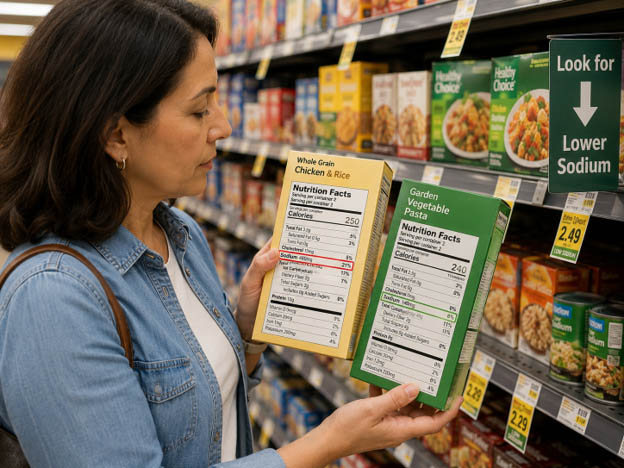
Too much sodium in the diet can cause an increase in blood pressure. A low-salt diet can lower blood pressure, but it is different for each person.
In a clinical trial of 213 middle-aged and older adults, nearly three-quarters of participants had lower systolic blood pressure after one week on a low-salt diet than after one week on a high-sodium diet.
ADVERTISEMENT
Results over a two-week period can differ from one person to another, though. The change can be affected by your typical sodium intake, usual blood pressure, age, health issues, and how you respond to sodium.
Your Heart May Work Under Less Pressure
The force produced by blood as it flows through the arteries is referred to as blood pressure. If it is still elevated over time, the heart and blood vessels are subjected to more stress.
Reducing sodium can lower high blood pressure, which in turn eases the strain on your heart. But two weeks isn’t enough time to say that you have suddenly fixed your heart and you’re no longer at risk for heart disease.
You May Discover Where Most Sodium Really Comes From
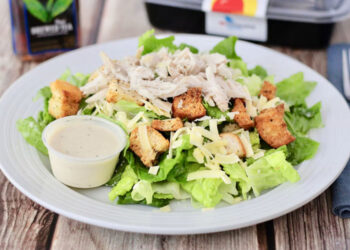
It may seem enough to put away the salt shaker, but some of the largest sources of sodium are often overlooked.
According to the CDC and American Heart Association, Most of the dietary sodium comes from commercially prepared foods, including packaged products and meals served at restaurants.
Common sources include:
- Pizza
- Deli meats
- Soups
- Savory snacks
- Sauces and condiments
Food May Start Tasting Different
After reducing sodium for some time, very salty foods may begin to taste stronger to some people.
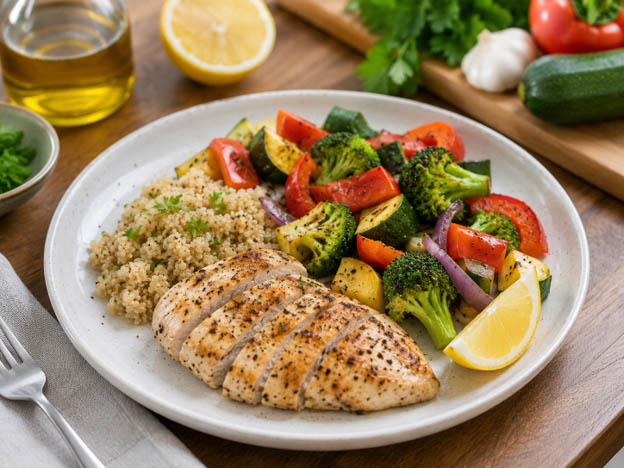
Use herbs, spices, citrus, garlic, and vinegar to add flavor without using salt as your sole seasoning.
What Two Weeks Cannot Prove
A brief two-week experiment cannot give you a complete picture of your blood pressure or overall cardiovascular risk. Blood pressure naturally varies throughout the day, so a single reading may not reflect your usual blood pressure.
Never stop taking prescribed medications just because your numbers improve after cutting sodium.
After two weeks, you’re most likely to see lower blood pressure, especially if you were consuming a lot of sodium. However, the true benefit comes in learning which foods add the most sodium and what changes you can make and keep for the long term.
ADVERTISEMENT
If you have hypertension, heart disease, or kidney disease, or if you have any concerns about the amount of sodium you should consume, talk with your health care provider about how you can make a change.
ADVERTISEMENT