Sometimes brushing your teeth at least twice a day and not eating too much sugar isn’t enough to keep your teeth healthy. Dentists will agree that there are other less well-known tips that make a dental care routine impeccable for avoiding tooth decay and other dental problems. Read below to learn more about this advice.
How to Brush Your Teeth
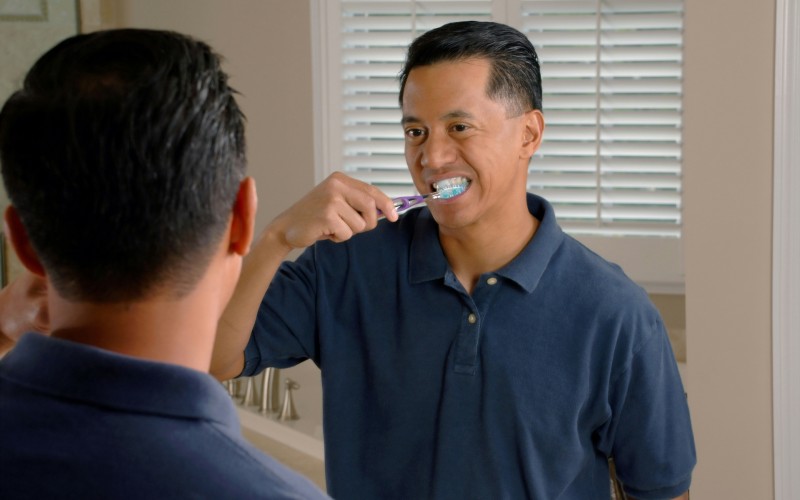
The section title might sound comical, but the way we brush our teeth differs from person to person, and it’s an essential factor to learn how to do it correctly to have good dental health. The physical act of brushing your teeth is responsible for removing the dental plaque—the food remains that bring bacteria and byproducts to your mouth—not the toothpaste or the times you brush your teeth daily. The plaque doesn’t act immediately, as the bacteria start to damage your teeth and gums after a long period of time, approximately 12 hours after eating.
Bacteria dissolve the minerals in our teeth, producing little holes that aren’t visible to the human eye. However, that’s how cavities appear when the process is repeated continuously Brush your teeth for 2 minutes at night and another time during the day.
ADVERTISEMENT
Which Toothbrush and Which Toothpaste
Electric toothbrushes are recommended over the manual ones. Always choose a toothbrush with a small head since it’s more effective at reaching all the areas in your oral cavity. The texture of the bristles shouldn’t be too hard or too soft so that the cleaning is done neatly but prevents any gum damage.
On the other hand, toothpaste is the most important part when brushing your teeth. A toothpaste high in fluoride is what keeps your teeth firm and steady in the long run, since this mineral replaces the minerals that your teeth need. The fluoride concentration ranges depending on the person. Most children’s toothpaste, for example, isn’t as strong as it should be for children. That’s why dentists sometimes prescribe specific toothpastes depending on the child’s dental situation.
Why You Should Spit Instead of Rinse
The problem with rinsing your mouth with water is that it removes a large amount of fluoride, which can lead to less effectiveness when combating tooth decay and protecting your teeth. When you spit it out instead of rinsing with water, you’re allowing the mineral to work overnight, which is key. At night, we produce less saliva, which is a crucial body fluid when it comes to protecting your teeth from acid. That’s why your dentist always tells you not to forget to brush your teeth before going to sleep so that fluoride can replace the saliva’s job temporarily.
Reduce Your Free Sugar Consumption
There are two general types of sugars: intrinsic sugars and free sugars. Intrinsic sugars are the healthy ones found in fruit, and they aren’t hazardous for your dental health for the most part. Whereas free sugars are the ones found in processed foods, syrup, and honey—the ones your dentist tells you to step away from. Plaque bacteria love free sugars because they’re easy to process and produce acids from.
The WHO states that free sugars should only be 5% or less of your daily intake—that’s approximately a small can of Coke in an adult’s diet. Although what’s more important isn’t the quantity but the frequency with which a person consumes free sugars. Professionals say that teeth can be exposed to free sugars a maximum of 4 times per day without risking any future damage. Cutting processed foods is a great way to limit your unhealthy sugar intake.
Keeping these tips in mind should be more than enough to avoid any irreversible damage to your dental health and maintain a healthy dental routine that will give you a shiny smile.
The Bottom Line:
ADVERTISEMENT
Spitting instead of rinsing, lowering your daily sugar intake, and using fluoride toothpaste are hidden gems that will keep your dental health in line and reduce future visits to the dentist.
ADVERTISEMENT