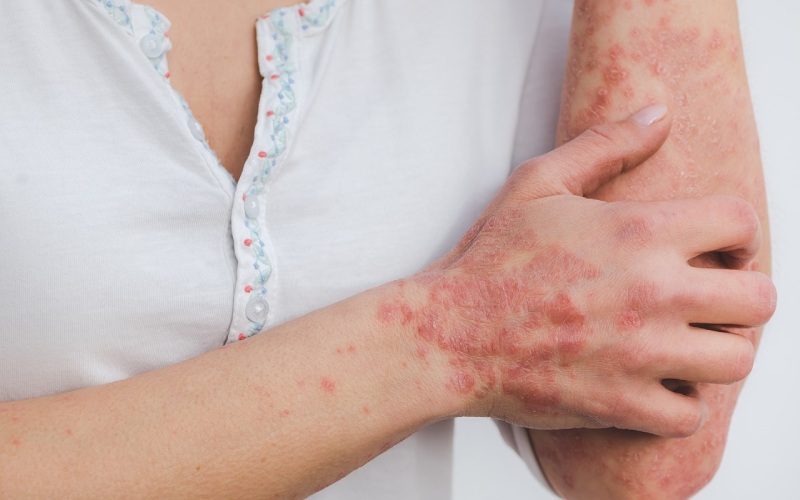
Does your skin have weird patches, an allergic reaction, or are you itching and breaking out? Exposure to an allergy or pollutant, a germ, or a persistent skin disease can all cause skin inflammation, alterations to consistency or hue, and blotches.
See a dermatologist if you notice symptoms that indicate you may have any of these typical skin diseases. While the majority are trivial, some may indicate a more significant issue.
Below is a list of 11 skin conditions you need to be aware of!
1. Herpes Zoster
This skin condition is manifested as a cluster of skin blisters that are mostly painful, tingly, and burning. Herpes zoster can typically appear on your bottom and tummy, but it can crop up anywhere else on your body.
ADVERTISEMENT
The lifespan of such skin conditions is roughly two weeks. Nevertheless, even when you have no more visible skin blisters, itchiness and numbness might prevail for months, and in severe cases for the rest of your life.
Dermatologists can prescribe skin creams alongside other medication if need be. Early diagnosis and treatment are pivotal as is the case for all other skin diseases.
2. Itchy Hives
Hives might blister, irritate the skin, and resemble itchy welts. Their sizes differ and they appear collectively. They might linger for a few minutes or several days and might show up on any area of your body.
Bad weather, respiratory ailments, and sensitivities to certain foods, drugs, and chemical compounds in food are among the causes. Skin creams and antihistamines can be beneficial for itchy hives.
3. Skin Psoriasis
Psoriasis manifests as firm, pigmented areas encased in white scales. Although the fundamental origins of skin psoriasis are unknown, the condition arises as a result of the immune system causing new skin cells to proliferate too fast.
Usually, the hairline, ankles, arms, and back area are where the patches appear. Throughout your life, they may recover and reappear. Pharmaceuticals, laser therapy, shots, skin lotions, and ointments are examples of skin psoriasis remedies.
4. Eczema Rash
“Eczema” is employed to depict a plethora of non-transmissible adult skin problems that give rise to skin inflammation. Although the exact cause of eczema rash is unknown, physicians are certain that flare-ups can be caused by anxiety, contaminants, allergens, and environmental factors.
In adults, it frequently shows up in folds of skin, on the fingers, and the elbows. Numerous drugs are available to treat eczema.
5. Skin Rosacea
Rosacea may be indicated by an easy inclination to blush as well as facial redness. It may become more reddish with visible veins as time passes. You could have pus-filled breakouts, lumps, and thicker skin.
Your eyes may even be impacted by skin rosacea. Some medications may be applied topically or taken orally. Lasers can be used by doctors to cure red or thicker skin, as well as vessel damage.
6. Fever Blisters
Small, unpleasant, swollen fever blisters on your lips or nose are caused by the viral infection known as herpes simplex virus. Blisters with a fever often last ten days and are contagious. Fever, excessive sun exposure, anxiety, and hormone fluctuations are among the triggers.
Antiviral medications or skin creams are effective in treating these skin inflammation cases. If the redness gets worse, you develop a fever, or your eyes start to feel uncomfortable, give your healthcare provider a call.
7. Shaving Bumps
Shaving-induced skin inflammation of the hair strands results in this disorder. Though it might occur wherever you shave, it usually happens on your cheeks and neckline.
Additionally, shaving bumps may result in bruises or even blisters. By using a heated cloth or a steaming bath before shaving, you can reduce the issue. Use a moisturizing product after rinsing with cold water.
8. Skin Warts
Most skin warts typically develop on a person’s hands or fingertips. Warts can spread via connection with contaminated objects. Wrap the warts, maintain their dryness, and refrain from picking them so they refrain from developing. They often cause no discomfort and are safe.
9. Toenail Fungus
The symptoms of this fungal skin infection include burning, peeling, and redness on your feet. Moreover, skin blisters and sores might appear. Direct touch is the means of transmission for this toenail fungus.
Avoid wearing shoes that have been shared by an infected individual and avoid going barefoot near swimming pools and bathroom facilities. Apply topical antimicrobial creams to deal with it.
10. Age Spots on Face
Skin aging is not the true source of these bothersome brown or gray patches, however becoming older does make them more prevalent. Age spots on face can also appear on your fingers and arms because you acquire them from being in direct sunlight.
To mitigate their appearance, consider light-based therapies, acid peels off, and bleach lotions. Consult an expert in dermatology for any significant issues, such as skin cancer.
11. Pregnancy Mask
Your cheekbones, nose, face, and chin will all have brown or tanned areas from pregnancy. Nearly fifty percent of pregnant women experience it often. Men are also capable of understanding it.
ADVERTISEMENT
Microdermabrasion therapies, OTC medications, and prescription lotions are available for therapy if the condition fails to resolve on its own shortly after the baby is born. Wear an SPF 30 at all times because sunlight exacerbates pregnancy mask.
ADVERTISEMENT