
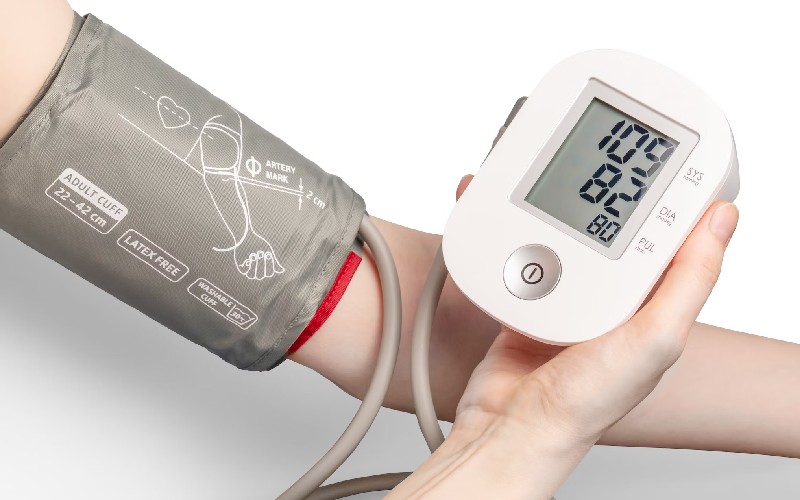
High blood pressure, also known as hypertension, is a prevalent health concern worldwide and is linked to several cardiovascular problems, including heart disease and stroke. While lifestyle changes have long been recommended for managing blood pressure, recent research has shed new light on the effectiveness of a specific type of exercise: isometric exercise.
A groundbreaking study has revealed that isometric exercise, characterized by static muscle contractions, can be highly effective in lowering blood pressure. In this article, we will explore the study findings and delve into how isometric exercises can play a crucial role in managing hypertension.
1. Understanding Isometric Exercise
Isometric exercise involves the contraction of muscles without any noticeable movement in the angle of joints. In simple terms, it;’s like trying to lift an immovable object. Planks, wall stands, and stress roller squeezes are a few varieties of isometric workouts.
Unlike dynamic exercises such as jogging or cycling, where muscles contract and relax continuously, isometric exercises involve sustained muscle contraction for a specific duration.
ADVERTISEMENT
2. The Study Findings
A study published in the American Heart Association’s journal ” Hypertension” in 2019 investigated the effects of isometric handgrip exercise on blood pressure. The research involved 60 participants with hypertension who were randomly assigned to two groups. One group performed isometric handgrip exercises, and the other group received standard lifestyle modification advice.
The results were quite surprising. After eight weeks, the group that engaged in isometric handgrip exercises experienced a significant reduction in both systolic and diastolic blood pressure. Systolic pressure (the top number) dropped by an average of 10 millimeters of mercury (mm Hg), and diastolic pressure (the bottom number) decreased by an average of 5 mm Hg. These reductions are clinically significant and roughly similar to the results of certain antihypertensive medications.
3. How Isometric Exercise Lowers Blood Pressure
The mechanism behind the blood pressure-lowering effect of isometric exercise lies in its ability to improve blood vessel function and reduce the stiffness of arteries. When you perform isometric exercises, such as gripping a handgrip device with maximum effort, it causes a temporary increase in blood pressure during the contraction phase. The elevated pressure causes the endothelium, the inside lining of the blood arteries, to emit nitric oxide.
Nitric oxide contracts and expands blood arteries since it is a stimulant. As a result, blood flow improves, and blood vessels become more flexible. Over time, these changes contribute to less endurance in the arteries, decreasing blood pressure as a result. Additionally, isometric exercise can enhance the overall function of the cardiovascular system, improving its ability to regulate blood pressure.
4. Incorporating Isometric Exercise into Your Routine
Isometric exercises are safe and can be added to your daily routine effortlessly. Here are some isometric exercises you can try:
- Handgrip Exercise: Squeeze a handgrip device or a stress ball as hard as you can and hold for 10-15 seconds. Release and repeat several times.
- Wall Sits: Stand with your back against a wall and lower yourself into a seated position as if sitting in an invisible chair. Maintain the posture until you can’t anymore.
- Planks: Place your entire weight on the tips of your toes and forearms in the push-up posture. For as much time as possible, maintain an even path from your head down to your heels in this position.
- Leg Raises: While seated, extend one leg outwards in front of you. After holding for 10 to 15 seconds, move to the other leg
- Static Bicep Curls: Hold a dumbbell or household object in one hand with your arm bent at a 90-degree angle. For 10 to 15 seconds, push on the item as forcefully as you can before switching arms.
Before starting any exercise program, especially if you have hypertension or other medical conditions, it’s indispensable to talk to your doctor and ask for guidance and recommendations tailored to your specific needs.
Bottom Line
Isometric exercise, characterized by static muscle contractions, has emerged as a highly effective method for lowering blood pressure. The findings of the study on isometric handgrip exercises highlight their potential as an adjunctive strategy in managing hypertension. Isometric workouts provide a potent and natural way to preserve a normal level of blood pressure by strengthening cardiovascular health, lowering stiffness in the arteries, and boosting circulation.
Incorporating these exercises into your daily routine, under the guidance of a healthcare professional, can be a valuable step toward better cardiovascular health and reduced risk of hypertension-related complications.
ADVERTISEMENT
ADVERTISEMENT