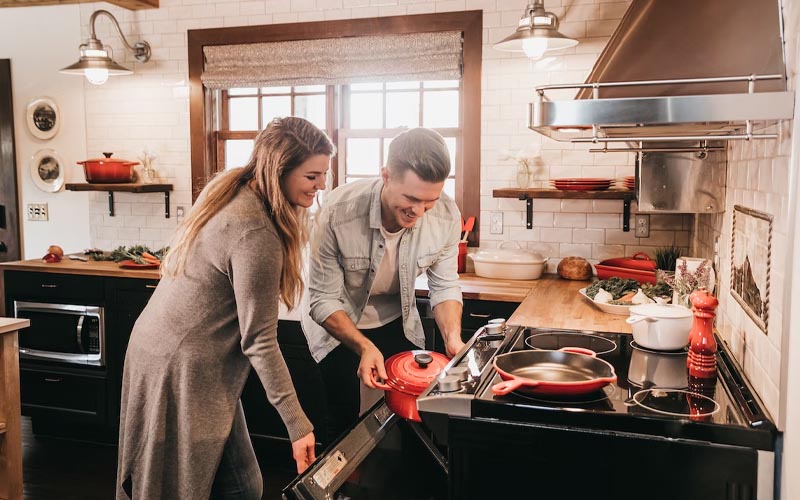
A lot of us are getting ready to spend time with our loved ones for one of the upcoming seasonal holidays. One thing, however, unites us all, regardless of the occasion being observed: food.
Families usually gather for a meal to celebrate these end-of-the-year holidays, but if individuals start feeling sick from the meal, that Christmas cheer may soon turn sour.
As stated by the Food and Drug Administration (FDA), eating or drinking tainted food or beverages can make people sick.
Anyone can get a serious foodborne illness that might even be life-threatening. Indeed, the FDA has issued updated cautions that can keep you safe during your upcoming Christmas event. Find out by reading on.
ADVERTISEMENT
1. Keep Everything Clean
The FDA made it straightforward: The first guideline for safe food preparation in the house is to keep everything clean. If you are unsure where and how to start with food safety this Christmas season, follow this advice from the FDA.
In light of this, the FDA advises that you wash your hands before proceeding with anything else. After handling food, immediately give your hands a 20-second wash with detergent and water. Remember to wash your preparatory utensils as well.
The FDA advises washing all locations that come into contact with food with hot, soapy water after each time you prepare a dish and before going on to the next. Fruits and vegetables should be properly rinsed under cold running water, and any surface debris should be removed using a produce brush.
2. Understand What Needs to Be Separated
While you are making your holiday meal, bacteria might transfer from one ingredient to another, which the FDA refers to as cross-contamination. But by correctly isolating some things from the start, you can stop germs from having the chance to propagate.
Keep uncooked foods away from raw eggs, poultry, meat products, fish, and their fluids. You will have to use various cutting boards and kitchen tools for these goods as a result.
As soon as anything is cooked, be sure to maintain separation. On an unclean plate that previously had any raw eggs, meat, poultry, fish, or their fluids, never place cooked or ready-to-eat food.
3. Ensure That Everything Is Fully Cooked
Food poisoning is almost often caused by undercooked food; thus, the FDA is emphasizing the need of properly cooking food. This is accomplished when the interior temperature is high enough to destroy dangerous germs.
A food thermometer should be inserted into the thickest section of the breast as well as the deepest region of the thigh and wing of a turkey to determine its safety. When warming stews, soups, or broths to go with your turkey, bring them to a full boil.
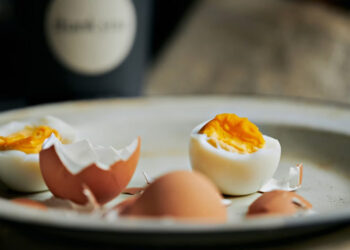
Holiday recipes frequently include eggs, so it is crucial to prepare them properly as well. Additionally, while baking Christmas cookies, avoid eating undercooked cookie dough because they may contain raw eggs.
4. Wrap Your Leftovers Properly
For the holidays, a lot of food is often prepared in order to feed any potential guests. But they frequently end up storing the leftovers for later consumption. However, if you do not properly store leftovers, you risk spreading foodborne diseases.
Keep leftovers and items from takeout in the fridge within two hours. When food is not immediately chilled, dangerous germs can swiftly proliferate at room temperature.
But only for up to four days can leftovers be kept in the fridge. When in doubt, toss it aside; such a wise policy to adopt.
ADVERTISEMENT
How do you personally deal with your food during the holiday season? Do you follow the aforementioned advice? Or are you just learning about these tips?
ADVERTISEMENT