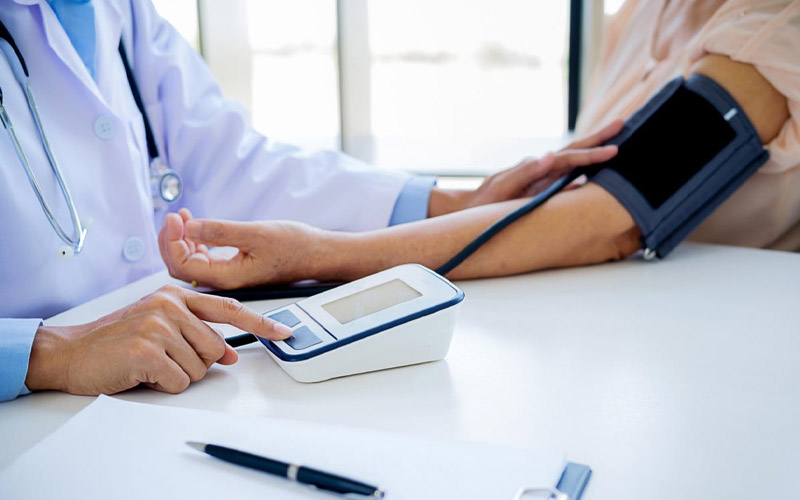
You can have adverse complications such as stroke and heart disease if you don’t monitor your blood pressure. Mayo Clinic says that high blood pressure results in the heart pumping blood faster, and the force is too high that the blood pushes against the artery walls.
You have hypertension if your blood pressure reaches at least 130/80 mm Hg. Unfortunately, many American adults have hypertension because they’re clueless about controlling it.
At least 500,000 U.S. deaths are attributable to hypertension. Therefore, you should be aware of high blood pressure and its medical care. A hypertensive crisis can result in chronic kidney failure, heart attack, or stroke.
Heightened Blood Pressure Symptoms You Need to Know
High blood pressure can have severe and adverse consequences; therefore, you should watch out for these symptoms and go to your physician if you experience them.
ADVERTISEMENT
1. Chest Pain
If you’re hypertensive, you may experience chest pain resulting in a heart attack. You may have damaged arteries, thereby decreasing the oxygen and blood flow, leading to heart disease. Moreover, you may have the following if you experience a reduced flow of blood:
- Heart attack
- Angina or chest pain
- Heart failure
2. Difficulty in Breathing
High blood pressure can make you experience difficulty breathing because it affects your blood vessels, which become less flexible, causing chest pain.
As a result, you may gasp for oxygen and air; therefore, you may have a heart attack with increased breathing difficulty and oxygen demand.
Shortness of breath can result in high blood pressure. According to Mayo Clinic, pulmonary hypertension can affect the lung arteries with destroyed, blocked, or narrowed blood vessels.
In addition, the additional effort to pump blood can weaken the heart muscle and may eventually fail.
3. Headaches
If you’re experiencing extremely high blood pressure, the blood can put excessive pressure on the brain, thus leading to blood leaks.
In addition, you may have pulsating headaches, which can get worse due to stress. If your blood pressure is at least 180/120 mm Hg, you should treat it as a medical emergency.
Try to rest for five minutes before retaking your blood pressure. You should call 911 when the reading is still extremely high. Contact your medical provider immediately if you’re experiencing nosebleeds or headaches.
4. Dizziness and Confusion
You can expect seizures, vertigo, dizziness, and confusion in hypertensive cases. You may suffer from a brain hemorrhage or stroke if the symptoms worsen.
It will help you to control your high blood pressure to protect your brain health. If you don’t care for your heart, expect cognitive decline later.
5. Speech or Vision Problems
If you have an emergency regarding your hypertension, you may find speaking or seeing things challenging. If you don’t control your blood pressure, it may cause retinopathy and lead to complete sight loss or blurred vision. In addition, you may experience brain or optic nerve damage.
ADVERTISEMENT
Many high blood pressure symptoms are inconclusive, inconsistent, and non-specific. However, you should regularly check for blood pressure because some signs may not be evident. Therefore, you should know if your blood pressure is high and if you need a proper diagnosis.
ADVERTISEMENT