Choosing the right pillow is highly essential. You may not be aware of it, but the type of pillow you select and how you care for it will impact your sleep and general health.
For instance, your pillowcase might contain the answer to why you haven’t been able to dispose of that problematic acne. So are pillows bad for you?
Pillows can be harmful to our health. However, you can use a pillow of health for better sleep.
Read this post to learn about bad pillow symptoms and how health pillows let you sleep better.
ADVERTISEMENT
1. Neck Pains
Long-term head bending, such as while you sleep, might be uncomfortable.
Depending on your sleeping habits, you should have firm pillows. That’s because if it’s too stiff or soft for you, it may induce neck pain.
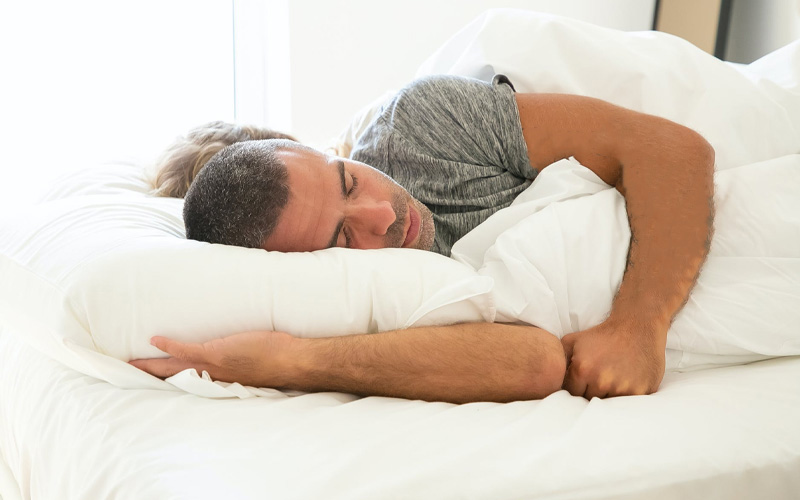
For instance, when you rest on one side, you should select a firm pillow to provide your neck with the support it needs to avoid arching excessively to one side.
On the other hand, a softer pillow is preferable for stomach sleeping because a firmer cushion would force your head back and cause a curvature in your neck.
A stiff pillow may not be good when you sleep on a flat because it could cause misalignment by forcing your neck far forward.
2. Back Pains
Your back’s comfort may also be impacted by how your pillows hold your neck, head, and shoulders. Back pain can worsen if you’re not correctly aligned when you sleep.
For instance, it’s preferable to have a flat pillow if you are a stomach sleeper. If you don’t, your lower back may become uncomfortable.
Likewise, side sleepers must provide a high cushion to maintain a straight spine and neck.
And sleepers who lie on their backs should select a pillow supporting their neck’s natural curve.
3. Headaches
Headaches can also result from using the wrong type of pillow while you sleep.
Your neck can remain in the same painful posture while you sleep if the pillow does not offer enough support.
That can strain your neck and give you a headache.
4. Allergic Reactions
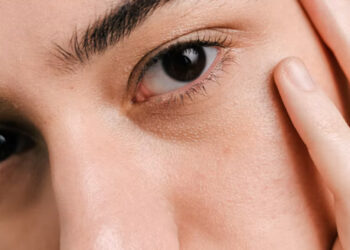
You may also want to pay close attention to the pillow if you get headaches, difficulty sleeping, itchy eyes, or fatigue during the day.
If you don’t want to acquire allergies, wash them frequently because people can have allergies to dust mites.
Eczema, asthma, and sinus problems are possible additional symptoms.
5. Sleep Loss
A poor pillow may cause your inability to get enough rest, regardless of whether allergies or neck pain keeps you awake at night.
That indicates that your body isn’t given adequate time to rest.
Lack of sleep can lead to various issues, including impaired thinking and an increased risk of obesity, high blood pressure, and diabetes.
6. Skin Issues
Your face comes into contact with your pillowcase while you rest on your side or stomach. Therefore, all the oil, filth, and bacteria on your face transfer to the pillow.
As a result, they may aggravate your skin, resulting in breakouts and acne.
You could tackle this problem in a variety of ways. For example, you might purchase a unique pillow or pillowcase, or you could routinely replace your pillowcase.
Some pillows may prevent you from touching the pillowcase when you turn to one side. Additionally, pillowcases are made of ionic silver, eliminating dangerous microorganisms.
7. Snoring
You may snore if your pillow is uncomfortable or too hard, forcing your head forward.
Additionally, if you have a dust mite allergy, your throat and nose may inflame, obstructing your airway and causing you to snore.
Final Thoughts
ADVERTISEMENT
A sound sleep is essential for your healthy body. Therefore, you should follow these tips to use the pillow of health for sleeping.
ADVERTISEMENT