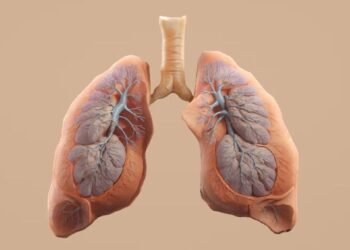

Ever since the first COVID-19 case, it’s quite evident to us that it is not a gone virus. In fact, several people are suffering from reinfections as they show COVID symptoms again.
In addition, the Centers for Disease Control and Prevention states that people have been developing a long-lasting form of COVID due to infections. As a result, a few common effects that may remain for long include sleeping issues, brain fog, and fatigue.
However, researchers are now warning individuals about a dangerous and serious long-term COVID symptom that may go undetected in people.
Therefore, you should learn how long can COVID symptoms linger and what is the last symptom of COVID.
ADVERTISEMENT
1. Common Long COVID Symptoms
New research claims that long COVID symptoms are unlikely to be a rare find. In addition, preliminary results released in June from an extensive Dutch study show that nearly 50% of all the individuals participating in the study continued to have at least one or more symptoms of the virus.
Furthermore, these patients showed the symptoms even after 3 months of contracting the infection.
In addition, recent figures from CDC’s NCHS revealed that approximately one in five COVID survivors in the United States have some type of extended COVID.
The CDC defines the illness as having symptoms that began three months or more after the person initially became infected with COVID-19 and that they had not previously experienced.
2. Undetected COVID Symptoms
Surprisingly, you can be dealing with long COVID without even realizing it. That’s because, according to Kai Zhao, loss of taste or smell is a common prolonged infection symptom.
He further states that a few COVID patients had lost their smell sense even during the first wave. In addition, experts can not suggest how long a patient can suffer from this symptom. Moreover, they assume that patients may experience several other symptoms while they lose smell sense.
However, a few individuals may recover more quickly than others in a span of a few days or a week. Whereas others may recover over many months or years.
3. Loss of Smell and Taste Can Be Dangerous
The loss of smell and taste can affect individuals in many ways. For instance, it can impact their intake of food and nutrition.
Moreover, these symptoms can be dangerous if people can’t detect their sense loss. So, if a person is in a life-threatening situation like a gas leak, hazardous chemical, or fire, they can’t smell it.
Thus, it can risk their lives. Or perhaps the food is spoiled or contaminated, so if you can’t taste it, you might end up as a sick man or a sick woman in hospital bed.
Final Thoughts
From the COVID spikes in-state college to Publix’s sick pay policy, we can tell that COVID is here to stay. Additionally, people suffering from COVID infections can struggle with these issues for months.
ADVERTISEMENT
Therefore, you should remain alert and keep yourself safe. Moreover, if you can’t taste or smell, you must consult your doctor.
ADVERTISEMENT