You already know what hypertension or high blood pressure is, but what do you know about high eye pressure?
Continue reading to learn about its causes and treatment.
1. What is Intraocular Pressure?
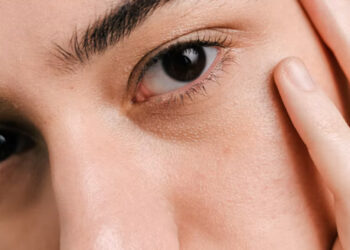
If you feel an unusual pressure in your eyes, you may have intraocular pressure or hypertension that can lead to glaucoma. You can measure eye pressure in mm Hg or millimeters of mercury.
For example, you have high intraocular hypertension if the pressure exceeds 21 mm Hg.
ADVERTISEMENT
2. Why Eye Pressure Occurs
The eye doctor may diagnose ocular hypertension for the following reasons:
- Overproduction of aqueous humor
A watery fluid behind the iris carries nutrients and oxygen to the eye lens. Moreover, it keeps the eye moist and sustains pressure. It enters through the pupil to fill the area between the cornea and iris.
Then, it exits through the trabecular meshwork. However, you could suffer from heightened eye pressure if your body produces aqueous faster than it can drain.
- Delayed drainage of aqueous
The eye drainage may malfunction; therefore, the aqueous drain slowly and then accumulates in your eye area. As a result, you can suffer from ocular hypertension due to inadequate drainage.
- Eye trauma
You may have eye injuries that affect or disrupt the production and drainage of aqueous, thus leading to high eye pressure. You should consult an ophthalmologist if the trauma persists for months or years.
- Medications
You can have eye hypertension if you’re taking steroid drugs for your eyes.
- Other reasons
It’s also possible to have high eye pressure because of pseudoexfoliation syndrome, pigment dispersion syndrome, and corneal arcus.
3. Who is at Risk?
In the U.S., you’re a prime candidate for ocular hypertension if you’re older than 40. About 10% of adults over 40 have higher than 21 mm Hg eye pressure.
Moreover, if you have a family history, you also have a heightened risk of glaucoma and increased eye pressure. Race, nearsightedness, and thin central corneas are also risk factors.
4. How to Diagnose Ocular Hypertension
Usually, high eye pressure doesn’t have symptoms or side effects. However, it would help if you went for an annual eye exam so the ophthalmologist could check your eyes.
They’ll use a tonometer, an instrument that can measure intraocular pressure. Moreover, they’ll also check for glaucoma signs and other eye diseases.
5. Is Eye Hypertension Serious?
If you have ocular hypertension, you’re a prime candidate for glaucoma. Eye pressure isn’t an illness, but glaucoma can cause vision loss. Therefore, you should have an annual eye exam for the ophthalmologist to monitor your eye hypertension.
Glaucoma can cause headaches, throbbing eye pain, nausea and vomiting, blurry vision, seeing halos, and eye redness. Ensure to visit your eye doctor if you notice these symptoms.
6. How to Reduce Eye Pressure
Your ophthalmologist can prescribe eye drops to help lessen eye pressure. However, you can also make lifestyle choices to boost your overall eye health and control ocular hypertension:
- Eat more vegetables and fruits
- Drink water and other liquids
- Stay away from caffeine
- Exercise regularly
- Have a regular eye exam
Final Thoughts
ADVERTISEMENT
Eye pressure or ocular hypertension is prevalent in people at least 40 years old. It has no symptoms; therefore, you should have an annual eye exam to check the condition of your eyes. This is critical since eye hypertension can result in glaucoma.
ADVERTISEMENT