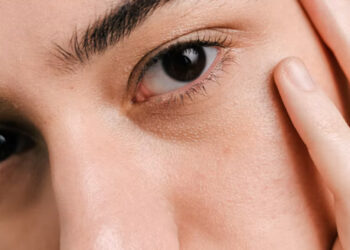
Eye injuries are frightening and mostly necessitate a call to 911. You already know that your eyes are valuable yet sensitive. Therefore, you should protect your eyes by visiting your eye doctor to check them if you experience any glaucoma symptoms.
Kindly read on to learn more.
1. Go for an Eye Exam if You Notice These Red Flags
Acute glaucoma is a condition that merits an emergency intervention. You may be oblivious about it, but you may lose your eyesight if you don’t see an eye doctor immediately.
You may have glaucoma if your iris bulges to block or narrow the drainage formed by the iris and cornea. As a result, pressure increases because fluid can’t flow through the eye.
ADVERTISEMENT
This chronic condition develops over time; however, if your symptoms become acute, you should call 911. The eyes’ emergencies include retinal detachment, acute glaucoma, penetrating globe inquiry, retinal artery occlusion, and chemical burns.
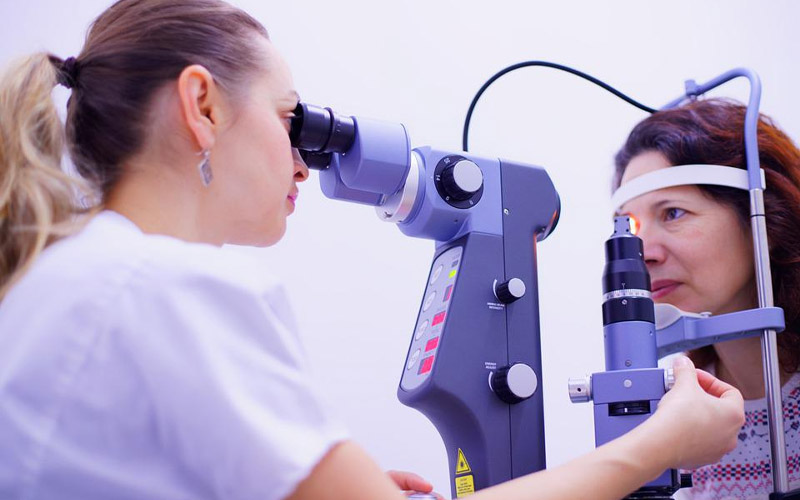
You should see an ophthalmologist or head to the emergency department immediately. However, it would help if you asked someone to drive you to the hospital because acute glaucoma affects your vision and may trigger other adverse symptoms.
2. Other Acute Glaucoma Symptoms
If your pupils dilate, you have a glaucoma attack resulting from increased contact between your eyes’ lens and iris. In addition, you’re experiencing a pupillary block, thus, obstructing the angle between the cornea and iris.
These symptoms can quickly progress because of a buildup of fluid pressure. You’ll notice an immediate attack of headache or eye pain with rainbow-colored halos, vomiting, blurred vision, and nausea.
3. You Can Be at Heightened Risk
Unfortunately, some individuals have a significantly higher risk than others. For example, the eyes’ lens size increases with age; therefore, if you’re at least 60 years old, you’re at a higher risk of suffering from acute glaucoma. Moreover, if you’re a woman, you have a 25% more chance of having glaucoma than men.
If you’re of Eskimo descent, Chinese, or Southeast Asian, you also have a higher risk of having acute glaucoma. On the other hand, the black populations have the lowest chance.
In addition, you’re more susceptible if you have a family history of having anatomic features with glaucoma.
4. Complications Can Arise if You Don’t Treat Acute Glaucoma
If you don’t see an ophthalmologist immediately, you may suffer from adverse complications. The eye doctor should treat glaucoma early if you don’t want to suffer from permanent or temporary vision loss. You may notice a peripheral vision loss before your central vision.
It’s possible to have acute glaucoma in one peeper. Still, you have an 80% probability of having an attack on the unaffected eye within ten years because your eyes share standard anatomical features, and the first eye is more vulnerable. However, you can still have glaucoma in your other eye.
Final Thoughts
ADVERTISEMENT
You should seek medical help if you’re experiencing vision-related issues. And even if you have no eye issues, make sure to go for yearly check ups.
ADVERTISEMENT