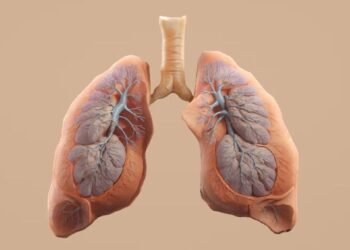

It’s very common to ignore your lung conditions, but we breathe each second of every day and seldom give our lungs the credit they deserve for keeping us alive and well.
Experts suggest, however, that lung health may extend far beyond the wall of your chest, impacting even your limbs. Indeed, some symptoms in the legs may indicate significant lung difficulties, according to experts.
Continue reading to learn about the symptoms that are regarded as respiratory red flags, as well as the troubling lung conditions they disclose.
1. Pain, Swelling in legs & Pulmonary Hypertension
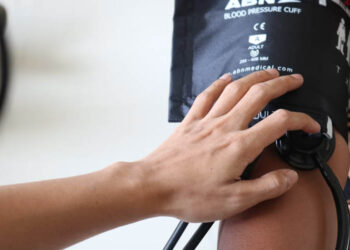
Pulmonary hypertension (PH) is one of the most serious pulmonary problems, normally resulting in high blood pressure.
ADVERTISEMENT
“Overworked and swollen,” notes the Cleveland Clinic, “the right ventricle eventually grows weaker and loses its capacity to pump adequate blood to the lungs.” As a result, some individuals with this disease might develop heart failure.
Irregular pulse, weakening heartbeat, shortness of breath during activity, dizziness, and hard breathing during rest are all symptoms of PH. This lung ailment can also cause symptoms in the legs, such as discomfort, cramps, and edema.
2. Pulmonary Embolism
Pulmonary embolism (PE) originates when the lungs’ pulmonary arteries get blocked. A blockage within the veins of any leg is a common cause. Blood clots can also get to the lungs through the arms or other parts of the body.
Shortness of breath, chest discomfort, and a lasting cough are common symptoms of PE. Lightheadedness, sweating, an irregular heartbeat, a fever, or clammy skin are all possible symptoms.
3. Color Changes in Legs
If your legs seem to have changed in color, it might be a sign of cyanosis, one of the major heart and lung conditions that occurs when blood oxygen levels drop below 80-85%.
While there are a variety of underlying disorders that can produce cyanosis, the lungs are one of the most prevalent culprits.
4. Swelling in Legs
Accumulation of extra fluid in the lungs’ air sacs causes pulmonary edema, which is known for being a fatal disease. Individuals with pulmonary edema find it extremely difficult to breathe because fluid accumulates where air should be.
Difficulty breathing, anxiety, asthma, a persistent cough (often generating pink, frothy sputum), fast pulse, or lightheadedness are common symptoms of acute pulmonary edema.
Pulmonary edema is a persistent illness that can cause these symptoms as well as weight gain, weariness, and swelling in the legs and feet.
Final Words
ADVERTISEMENT
If you detect any odd abnormalities in your legs, consult your doctor, particularly if you have any known lung conditions. If you have pain, swelling, discoloration, or chronic cramping for no known reason, you should seek medical help immediately.
ADVERTISEMENT