
Regardless of the medical history of your whole family tree, a stroke can occur to anyone. There are certainly some risk factors that up the odds of having a stroke, notably alcohol drinking, smoking, cardiovascular disease, hypertension, and diabetes, to mention a few.
Nevertheless, there are natural strategies that help reduce your probability of having a stroke. From clean eating to working out daily to continuous glucose monitoring, everyone can adjust their lifestyle habits to lower their stroke risk.
Learn how to bolster stroke prevention efforts with these natural methods!
1. Hypertension Monitoring
In order to prevent strokes, hypertension ought to be intactly monitored. A stroke can result from artery damage caused by elevated blood pressure.
ADVERTISEMENT
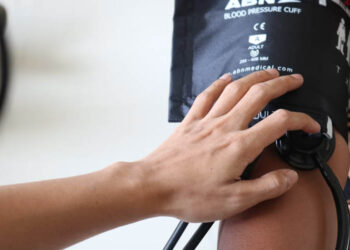
Monitoring your levels is made easier by routinely utilizing a blood pressure cuff or any credible blood pressure machine.
Blood pressure can be considerably lowered by implementing a low-sodium diet, considering whole grains, lean proteins, and an abundance of fruits and vegetables in your meals.
Enhancing your dietary habits is a potent natural treatment for hypertension. Blood pressure medications may prove mandatory in certain acute cases, but dietary and lifestyle modifications can also be very important.
2. Weight Loss
Reducing the risk of stroke calls for keeping an appropriate body mass index. Reducing a single pound of weight can have a significant impact because being overweight is a critical stroke risk indicator.
Choose a rich yet proportional diet replete with whole grains and fresh produce. Also, try to select plant-based or lean proteins. Steer clear of weight control pills or drastic diets.
Weight loss supplements may be helpful in certain situations, but before beginning any new routine, always get medical advice. Rather than seeking detrimental ways to lose weight fast, strive to achieve a gradual yet healthful weight loss.
3. Regular Exercise
For cardiac wellness and stroke prevention, exercise is fundamental. Choose a sport of your liking, such as swimming or running, and practice it regularly.
Furthermore, resistance band exercises are a great way to increase strength without overtaxing your body. Attempt to reach 150 minutes or more per week of moderate-to-intense exercise.
Frequent exercise enhances general circulation, lowers blood pressure, and aids in weight management.
4. Moderate Alcohol Drinking
Moderate alcohol drinking may provide some protective benefits, whereas heavy drinking can raise the likelihood of stroke. It is imperative to restrict your intake of alcoholic beverages.
Select red wine as it has been argued that moderate quantities benefit cardiac health. Yet, there’s no reason for beginning if you don’t already consume alcohol.
5. Treat Irregular Heartbeat
An erratic heartbeat may make strokes more prevalent. Get medical assistance if you witness manifestations such as vertigo or arrhythmias. Treatments may involve drugs or operations to regulate the heart’s rhythm.
Heart health must be continuously monitored and checked. Effective management of irregular heartbeat can dramatically lower the threat of stroke.
6. Treat Diabetes
Effective management of diabetes is essential because of its inextricable link to strokes. Levels of blood sugar can be regulated with a diabetes diet. It is possible to better control sugar peaks and falls using continuous glucose monitoring.
Diabetes medications may also be required for certain diabetic patients. Controlling diabetes can go a long way in upgrading your life quality.
7. Smoking Cessation
Smoking is the most alarming stroke risk factor, hence the enormous significance of its cessation. You can do so with the aid of peer support, therapy, and nicotine patches.
Giving up smoking has both short-term and long-term advantages, including enhanced cardiac wellness and general satisfaction with life. Besides, steer clear of second-hand smoke at all costs.
You may dramatically lower your risk of stroke by adding these natural ways to your everyday routine. Stroke prevention involves a low-sodium diet, regular check-ups with the doctor, and a dedication to cutting back on immoderate alcohol drinking and smoking.
ADVERTISEMENT
Bear in mind that modest alterations could have an immense power over your general health!
ADVERTISEMENT