If you’re a frequent traveler who takes a certain medication, it’s important to be aware of the potential for your medication to cause issues with TSA security. Recently, security has been quite inflexible because of the strict policies that have been adopted.
Certain medications can flag you for additional screening or even result in confiscation. Hence, it is better to learn beforehand about the ongoing rules of medications to avoid any kind of hassle before your flight.
Here are five ways your medication could get you flagged by the TSA (Transport Security Administration).
1. Medications That Are Liquid or Gel-Like
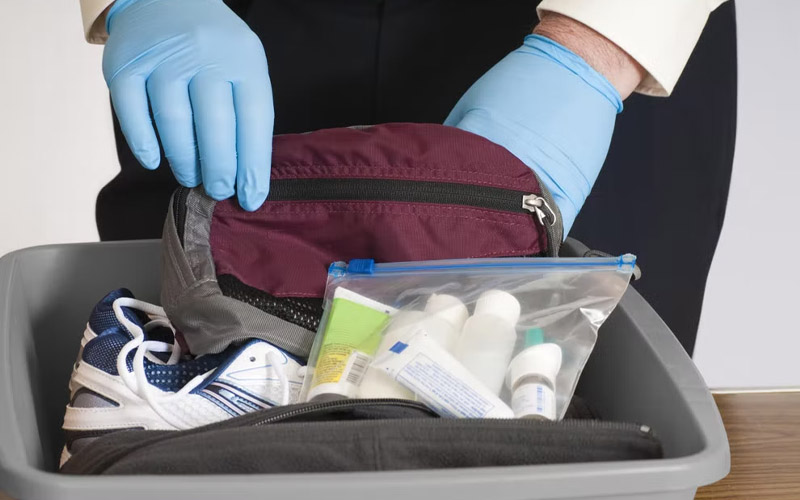
Liquids and gels are subject to TSA’s 3-1-1 rule, which means they must be in containers that are 3.4 ounces or less. Each traveler is permitted only one quart-sized backpack, which must hold all items.
ADVERTISEMENT
Medications that are liquid or gel-like, such as cough syrup or topical creams, must also follow this rule. Besides, any medication more than 3.4 ounces requires to be placed in checked baggage.
2. Medications That Are Inhaled or Used with a Nebulizer
Inhalers and nebulizers are allowed on planes, but they need to be screened separately from your other carry-on items. If you’re carrying an inhaler or nebulizer, it is better to inform the TSA beforehand and carry the medications in their original packing.
3. Medications That Are Considered Controlled Substances
Certain medications, such as opioids, stimulants, and some anxiety medications, are classified as controlled substances.
These medications can only be carried on board if they are in their original containers with a prescription label that matches your name. In addition to that, you may also be prompted to show the doctor’s prescription for the medicine.
4. Medications That Are Not Approved in Other Countries
While many medications are legal in the US, they may not be approved in other parts of the world. Hence, it is better to make sure that certain medications are allowed in the country you’re traveling to.
For example, certain ADHD medications and painkillers are not legal in Japan. Be cautious to thoroughly understand the laws and regulations of the target country in advance if you’re traveling with medicine.
5. Medications That Resemble Explosives
Some medications, such as nitroglycerin tablets, look very similar to explosives when run through X-ray machines. If you’re carrying medication that looks suspicious, TSA may need to inspect it more closely.
To avoid any issues, it’s a good idea to pack medication separately and let TSA know ahead of time that you have it with you.
Bottom Line
In conclusion, if you’re traveling with medication, it’s important to be aware of the potential for your medication to cause issues with TSA security.
Be sure to follow the 3-1-1 rule for liquids and gels, carry inhalers and nebulizers separately, and ensure that controlled substances are in their original containers with a prescription label.
ADVERTISEMENT
If you’re traveling internationally, research the laws of your destination country, and if you’re carrying medication that looks suspicious, pack it separately and let TSA know ahead of time. You may prevent any possible problems and guarantee a more hassle-free trip by paying attention to these suggestions.
ADVERTISEMENT