
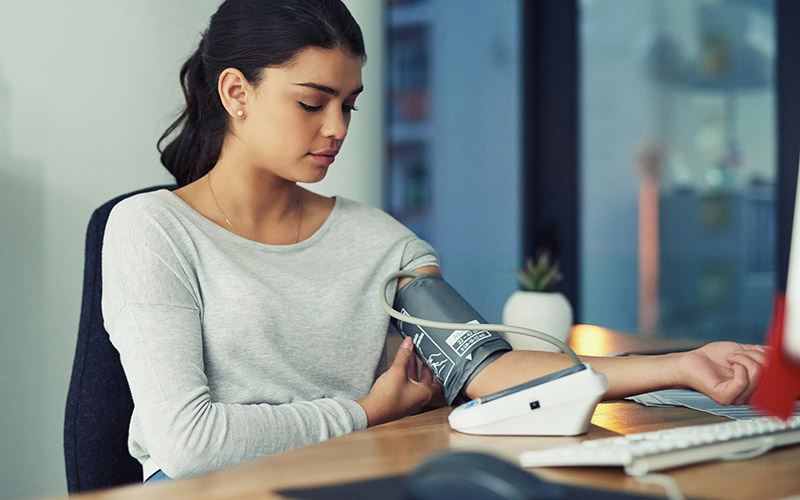
Hypertension is a far more dangerous condition than most people believe. One of the main preventable risk factors for dementia, chronic kidney disease, heart valve disease, cardiac arrest, and cardiovascular disease is high blood pressure.
There are numerous approaches to lower your blood pressure without medication. Lifestyle change is the key to control high blood pressure.
Continue reading to see how you may prevent hypertension with a few straightforward lifestyle adjustments.
1. Eat a Nutritious Diet and Avoid Salt
A nutritious diet may be a great approach to improving your health and managing high blood pressure in a number of different ways. Experts advise cutting back on sodium intake while eating more fruits and veggies.
ADVERTISEMENT
The DASH diet is the name of this eating plan. It is a nutritious eating regimen intended to aid in the treatment, prevention, or control of high blood pressure. Foods that are rich in salt, fat content, or added sugars are restricted in the diet.
Your chance of acquiring high blood pressure goes up if you suffer from being overweight or obese. In actuality, when you gain weight, your blood pressure climbs, the U.S. Department of Health and Human Services said in an article.
2. Workout Regularly
Although the risk of hypertension does rise with age, the Mayo Clinic suggests that exercise can significantly reduce this risk. Regular physical activity strengthens the heart. A faster pulse could be able to circulate more blood more effectively.
Blood pressure decreases as a consequence of the arteries being less stressed. It is not too late to include physical exercise in your daily routine if you already have hypertension. Exercise can aid in managing and reducing the illness.
You do not have to start exercising right away or sign up for a marathon. Start out slowly and gradually include more exercise into your everyday routine.
3. Get Lots of Restful Sleep
Anyone who has occasional or chronic insomnia is aware of how exhaustion and irritation are not exactly conducive to good health. However, poor sleep can have additional detrimental consequences for your health, such as raising your blood pressure.
According to research, getting five hours or less of sleep each night might eventually make you more likely to develop high blood pressure.
Although the exact cause of this is unknown, sleep is supposed to help control stress hormones and maintain the health of your neurological system. Lack of sleep over time can affect your body’s capacity to control stress chemicals, which can cause high blood pressure.
4. Drink More Water and Less Alcohol
Alcohol has various negative effects on blood pressure, all of which are negative. Alcohol may interfere with blood pressure medications and may induce weight gain, which can lead to high blood pressure.
Water, though, can be beneficial. Maintaining hydration by drinking somewhere around eight cups of water daily will help lower blood pressure.
You may improve your water and make it more blood pressure-friendly by incorporating certain minerals into it. Water regulates blood pressure better than any other beverage. Decaffeinated herbal tea, milk, and sugar-free fizzy water are other alternatives for hydration.
5. Give Up Smoking
The benefits of giving up smoking for your general health cannot be overstated. As per the Centers for Disease Control and Prevention, more than 16 million individuals in the US experience ailments brought on by smoking. Smoking increases your risk of getting tuberculosis (TB), a number of eye diseases, and immune-related disorders including rheumatoid arthritis.
Smoking increases your blood pressure and heart rate, shrinks your arteries, thickens the artery walls, and increases the likelihood that your blood may clot. Your risk of a heart attack or stroke increases because it strains your heart.
Final Thoughts
ADVERTISEMENT
Along with eating well, working out, and consuming more water, schedule time to let loose your hidden creative version. Clinical studies have demonstrated that the practice of art may lower blood pressure, lessen stress, and lift mood. The creative process also supports the health of our immune systems.
ADVERTISEMENT